
Wright's schoenolirion
Schoenolirion wrightii
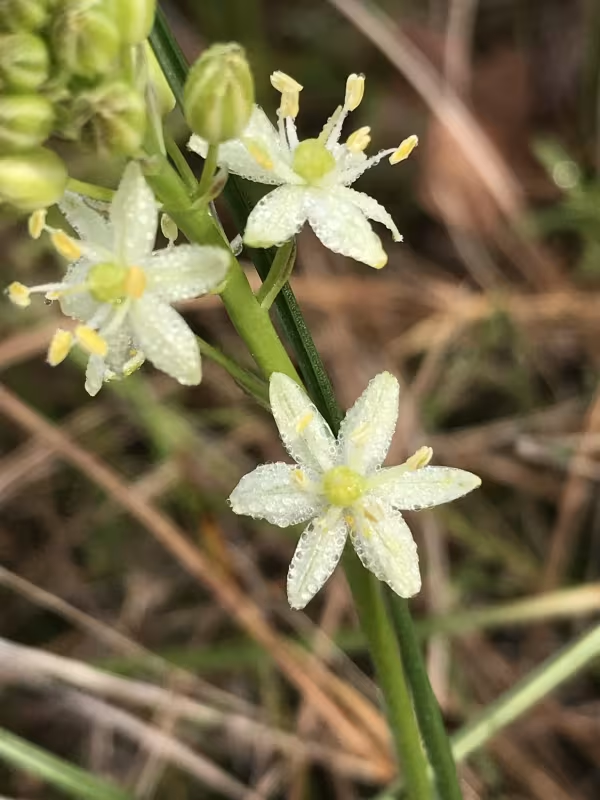
Description
Growing requirements
Wright's schoenolirion (Schoenolirion wrightii) is a perennial bulbous plant belonging to the Asparagaceae family. Native to the southern United States, this species is typically found in moist pine savannas and open woodlands, where it thrives in specific ecological niches.
The plant requires well-drained, sandy soils that remain moist during the growing season but do not allow for prolonged saturation. Optimal exposure includes full sun or partial shade, as the plant needs sufficient light to develop its characteristic inflorescence and maintain its structural integrity.
Botanical features include narrow, grass-like basal leaves and a tall, rigid flower stalk. The bulb is a specialized storage organ that allows the plant to survive periodic dry spells, which are common in its natural habitat across the Gulf Coastal Plain.
Cultivation practices should prioritize proper drainage to avoid rot, which is the most common cause of failure in domestic settings. While the plant is hardy in its native range, it requires careful monitoring of soil moisture levels to ensure the longevity of the bulbs throughout the year.
In terms of usage, Wright's schoenolirion is primarily valued in specialized decorative horticulture and native plant landscaping. It is considered a rare specimen for collectors who appreciate unique, geophytic perennials that contribute to biodiversity in controlled garden environments.