
Schoenolirion croceum
Schoenolirion croceum
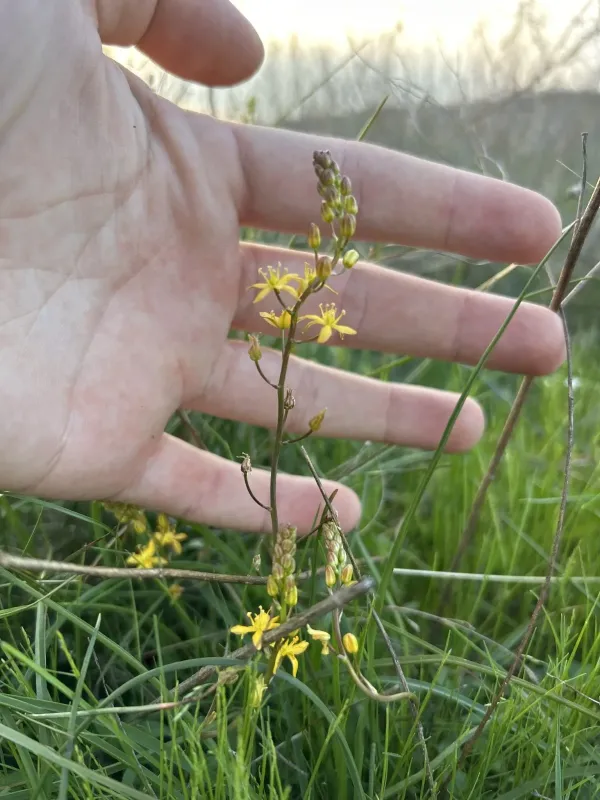
Description
Growing requirements
Schoenolirion croceum is a perennial bulbous plant belonging to the Asparagaceae family. Native to the southeastern United States, it is commonly found in moist meadows and wetlands, showcasing unique adaptability to fluctuating soil moisture levels.
The plant thrives in full sun exposure, which is critical for its flowering success. It requires environments that mimic its natural habitat, emphasizing the need for open spaces where the plant is not competing with taller vegetation for light.
Regarding soil, it prefers sandy or loamy soils that can retain moisture without becoming completely waterlogged. A slightly acidic pH is ideal for promoting nutrient uptake and ensuring robust growth during the active season.
Climatic conditions for this species should ideally reflect its native range, characterized by warm growing seasons. While it has some tolerance to cold, it is not highly frost-hardy and requires protection in regions with harsh winters.
Agronomic management involves maintaining consistent moisture throughout the growing season. Proper drainage is still necessary to prevent bulb decay, as the plant prefers moving or filtered moisture over stagnant pools.
Main diseases and pests
The primary threat to Schoenolirion croceum is root and bulb rot caused by waterlogging in heavy, poorly drained soils. Fungal pathogens exploit these conditions to destroy the bulb's structural integrity.
Soil-dwelling larvae can pose a significant challenge by feeding on the bulb tissue. Integrated pest management, including the use of preventive soil treatment, is recommended to mitigate these risks in horticultural settings.
Slugs and snails can become problematic in the moist environments where this plant thrives, causing significant leaf damage. Protective barriers and baiting are effective strategies to prevent widespread foliage loss.
Chlorosis is a common physiological issue encountered when the soil pH is not properly managed. It is important to perform regular soil testing to maintain the ideal acidity level for the plant's metabolic health.
Airborne fungal spores may lead to leaf spots if the plants are crowded together without proper air circulation. Ensuring adequate spacing between individuals can significantly reduce the risk of such outbreaks.