
Schizocodon soldanelloides
Schizocodon soldanelloides
Description
Growing requirements
Schizocodon soldanelloides is a sophisticated perennial herbaceous plant belonging to the Diapensiaceae family. It is native to the mountain regions of Japan, where it typically thrives in cool, humid environments under forest canopies or on sheltered, misty slopes.
For successful cultivation, the plant requires acidic soil enriched with organic matter, such as leaf mold or peat. The substrate must be consistently moist but well-draining, as the species is highly sensitive to waterlogging, which often leads to root rot.
The plant performs best in partial to full shade, avoiding direct sunlight which can scorch its delicate foliage. Maintaining a cool root zone is essential, often achieved by applying a layer of pine needle mulch to simulate the natural forest floor conditions.
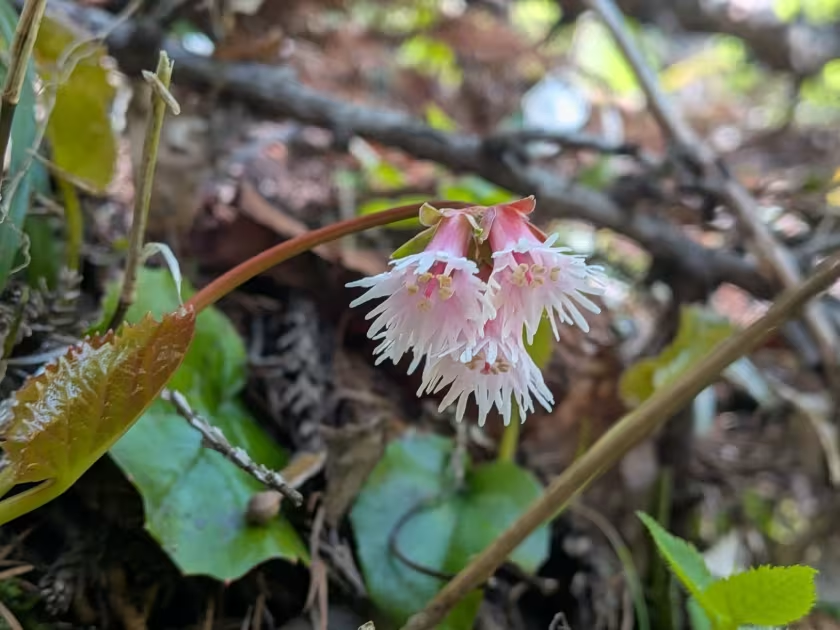
Botanically, this species is defined by its leathery, evergreen leaves arranged in a basal rosette and its striking fringed, bell-shaped flowers. These flowers vary in color from pale pink to deep rose-purple, blooming in late spring to early summer.
In terms of horticultural use, the plant is a prized specimen for rock gardens, alpine troughs, and shade-loving borders. Its slow growth rate and unique floral morphology make it a desirable choice for dedicated collectors and enthusiasts of rare perennial plants.
Main diseases and pests
The primary threats to this species are fungal pathogens that thrive in stagnant, poorly ventilated conditions with excessive moisture. Regular inspection of the plant's base is necessary to ensure the crown remains healthy and free from rot.
Garden pests, particularly slugs and snails, pose a significant risk to the plant's succulent foliage during the active growing season. Implementing protective measures, such as copper tape or organic baits, is recommended to keep these pests away from the delicate basal rosettes.