
Verticordia grandis
Verticordia grandis J. Drumm. ex Meisn.
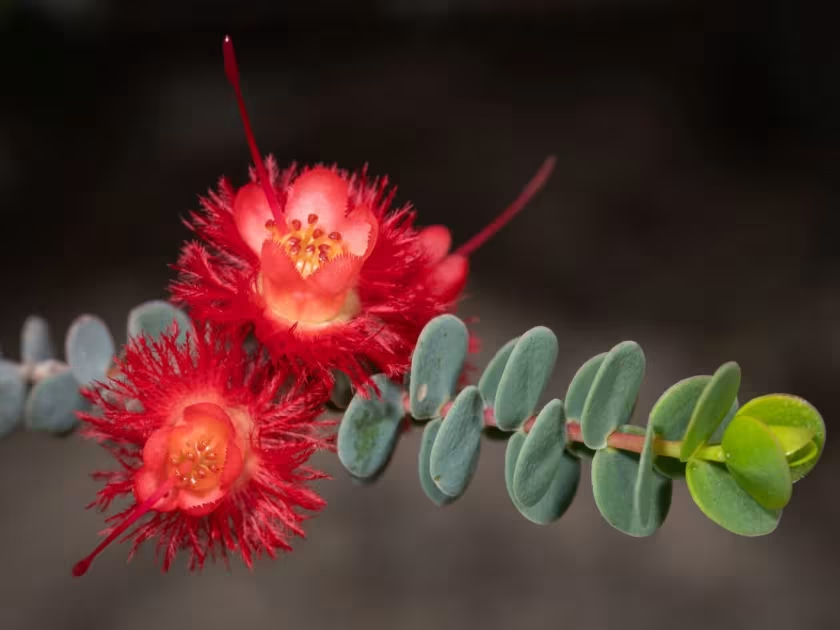
Description
Sowing dates
Propagation of Verticordia grandis is primarily achieved through seeds or stem cuttings, which require specific nursery protocols for success.
Seed germination typically benefits from pre-treatment processes such as smoke treatment or scarification to mimic natural Australian bushfire cycles.
Spring is considered the ideal time for sowing, ensuring that seedlings receive enough light for healthy establishment during the growing season.
Stem cuttings are often taken from semi-hardwood growth and require a rooting medium with high drainage capacity and stable temperatures.
Young plants should be transplanted carefully to avoid damaging the delicate root system, which is characteristic of many Proteaceae and Myrtaceae species.
Growing requirements
Verticordia grandis, a member of the Myrtaceae family, is a slow-growing woody shrub native to the sandy plains of Western Australia.
The plant thrives in deep, well-draining sandy soils and is highly adapted to nutrient-poor environments, making it sensitive to high phosphate levels.
It requires full sun exposure for the majority of the day to ensure optimal development of its iconic, showy red flowers.
Water management is critical; while it tolerates drought well once established, young plants require consistent but controlled moisture during their first year.
Proper air circulation is essential for the longevity of the plant, as stagnant air can lead to foliage issues and reduce overall vigor.
Main diseases and pests
Root rot and crown rot, primarily caused by Phytophthora species, are the most significant threats to the survival of this crop in cultivation.
Excessive humidity in the rhizosphere due to poor drainage is the leading cause of plant failure, particularly in regions with high rainfall.
Pests such as aphids and spider mites may infest the plant, especially in glasshouse environments where natural predators are absent.
Leaf spot pathogens may occur if foliage remains wet for extended periods, necessitating careful irrigation practices that avoid overhead watering.
Effective management includes using sterilized potting mixes, maintaining good sanitation, and applying systemic fungicides if early signs of infection are detected.