
Scabiosa webbiana
Scabiosa webbiana
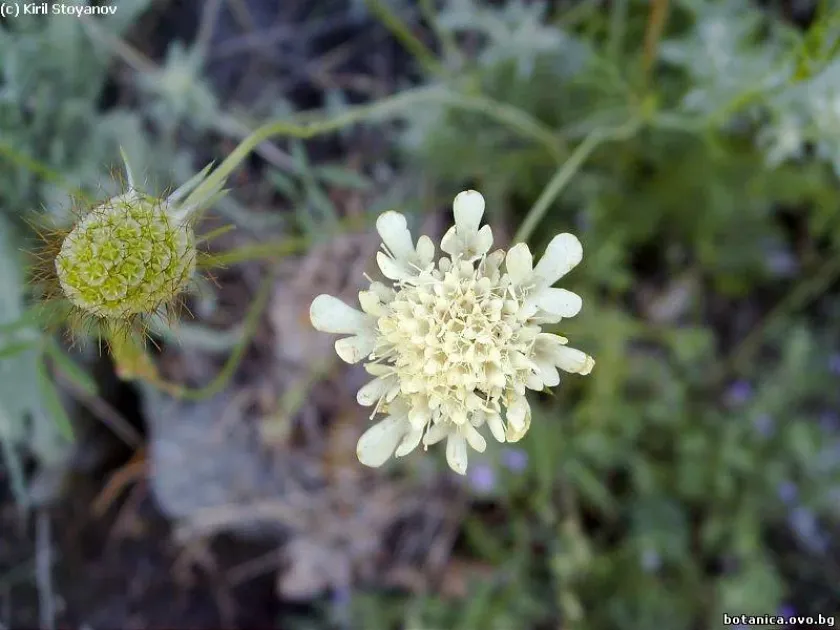
Description
Sowing dates
Sowing Scabiosa webbiana is typically performed in early spring, once soil temperatures become consistently warm. The seeds should be sown in a sunny, well-prepared seedbed, ideally between April and May, to allow plants to establish before the peak of summer heat.
For earlier blooms, starting seeds indoors is a common practice among professional gardeners. Sowing in modular trays during late February or March ensures a longer growing season, provided that seedlings receive sufficient natural light, as the seeds require light for germination.
Seedlings should be pricked out into individual pots once the first true leaves have developed. This stage is crucial for building a strong, fibrous root system, which is essential for the plant to thrive in its final outdoor location during the summer months.
Transplanting into the garden is recommended when the danger of frost has passed, usually by mid-to-late May. Spacing should be approximately 30–40 cm apart to prevent overcrowding and to ensure excellent air circulation around each individual specimen.
When sowing, do not bury the seeds deeply; pressing them gently into the moist substrate is sufficient. Maintaining a consistent but light moisture level is key, as dry or excessively wet conditions at the germination stage can significantly reduce the success rate.
Growing requirements
Scabiosa webbiana belongs to the Caprifoliaceae family and naturally inhabits stony, mountainous terrain. This heritage dictates its requirement for excellent drainage, as the species is highly susceptible to root rot in heavy, compacted, or waterlogged soils.
The plant thrives in alkaline or neutral soils that are sandy or rocky. Its ability to tolerate low soil fertility is a major advantage for gardeners, although providing a balanced, slow-release fertilizer during the bud formation phase can enhance flowering performance.
Full sun is essential for this species. In shaded environments, the stems tend to become elongated and weak, leading to a loss of the compact, mound-like habit that makes this plant so desirable in ornamental horticulture and rock gardens.
Watering requirements are low once the plants are established, as Scabiosa webbiana is naturally drought-tolerant. Irrigation should be applied directly to the soil base, avoiding the foliage and flowers to prevent potential fungal issues during humid weather.
Regular maintenance includes deadheading faded blossoms, which encourages the plant to produce a secondary wave of flowers. A layer of gravel mulch can be applied around the base to keep the crown dry and protect it from cold, wet winters.
Main diseases and pests
Fungal pathogens, particularly those causing root and crown rot, are the most significant threat to Scabiosa webbiana. These diseases are almost always linked to poor drainage or excessive humidity, making soil structure management the primary line of defense.
Powdery mildew is another common issue during periods of high humidity and poor air circulation. Symptoms include a white, powdery coating on the foliage, which can eventually inhibit photosynthesis and weaken the entire plant if left untreated.
Pests such as aphids can colonize the developing flower buds, sucking plant sap and causing deformed blossoms. Early detection is vital, and simple physical removal or the application of organic insecticidal soaps is usually sufficient to manage low-level infestations.
Spider mites may become a concern during prolonged periods of drought and high temperatures. They manifest as fine webbing on the undersides of leaves and cause stippling or yellowing, which significantly damages the aesthetic quality of the perennial.
To mitigate these risks, ensure that plants are given enough space to allow for proper airflow. Avoid overhead irrigation and remove any debris around the base of the plant in autumn to reduce overwintering sites for pests and fungal spores.