
Scabiosa vestina
Scabiosa vestina
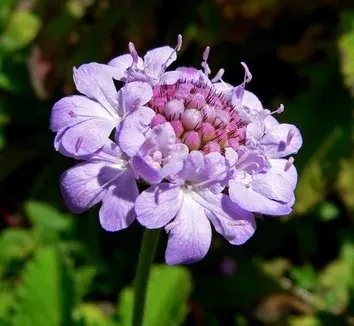
Description
Sowing dates
Sowing Scabiosa vestina seeds is best accomplished in early spring once the risk of frost has passed. For optimal results, seeds can be started indoors in seed trays during late winter, providing enough light for the seedlings to develop strong stems.
The seeds require light to germinate, so they should be pressed lightly into the soil surface rather than buried deep. Maintaining a consistent temperature between 18 and 20 degrees Celsius is critical for high germination rates.
Germination typically occurs within two to three weeks under optimal moisture conditions. During this timeframe, it is essential to keep the growing medium consistently damp without over-saturating it to prevent damping-off diseases.
Seedlings should be thinned or transplanted into individual pots once they develop their first set of true leaves. This promotes the development of a robust root system, ensuring the plants can withstand the stress of moving into the field later on.
When transplanting into the garden, space the plants about 30 to 40 centimeters apart. This spacing ensures adequate airflow and prevents competition for nutrients and water, which is vital for sustained health.
Growing requirements
As a member of the Caprifoliaceae family, Scabiosa vestina thrives in open, sunny locations with direct sunlight. Providing sufficient light is the most important factor for encouraging vigorous growth and profuse flowering throughout the season.
The plant performs best in well-draining, calcareous soils that are slightly alkaline in pH. It is highly intolerant of waterlogged soil, so adding coarse sand or gravel to heavy soils is highly recommended to improve drainage and prevent root rot.
Scabiosa vestina is naturally adapted to mountain environments, making it quite hardy and capable of tolerating cool temperatures. Once established, the plants demonstrate a high degree of drought tolerance, requiring less frequent irrigation than many other garden flowers.
Minimal fertilizer is usually required, as excessive nutrients can result in lush foliage at the expense of bloom production. A light application of balanced minerals in early spring is generally sufficient to support the plant's seasonal needs.
Pruning spent flowers can encourage a second flush of blooms, prolonging the visual appeal of the plants into late autumn. This practice also prevents the energy drain associated with seed formation.
Main diseases and pests
Fungal diseases remain the primary threat to Scabiosa vestina, particularly in regions with high humidity or poor drainage. Root rots and collar rots are common consequences of excessive soil moisture during the dormant season.
Powdery mildew can affect the foliage during the warmest parts of summer, especially if plants are spaced too closely. Ensuring good air circulation and avoiding overhead watering are key preventative strategies for managing this issue.
Pests such as aphids and spider mites are common in dry, stressed conditions. Regular monitoring allows for early intervention, often manageable through the application of insecticidal soaps or natural neem-based solutions.
Soil-borne pests and nematodes can sometimes inhibit growth, particularly in sites where the same crop has been grown for multiple years. Rotating planting sites is a proven method to mitigate long-term pathogen buildup.
Maintaining a clean growing area by removing debris and weeds around the base of the plants helps reduce the habitat for many insects and pathogens, thereby keeping the garden environment healthy and productive.