
Scabiosa velenovskyana
Scabiosa velenovskyana
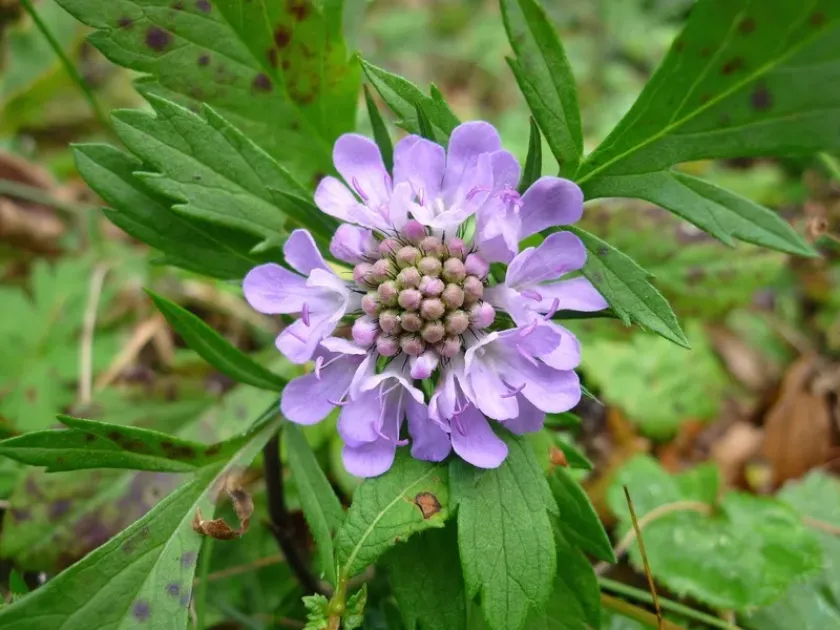
Description
Sowing dates
Sowing Scabiosa velenovskyana seeds is best performed in early spring once the ground has thawed and warmed up. For optimal results, seeds can be started indoors in seed trays filled with a well-draining peat-based mix approximately 6 to 8 weeks before the last expected frost.
When sowing outdoors, ensure the site receives full sun and has soil that has been loosened to a depth of at least 15 cm. Seeds should be sown at a shallow depth of about 0.5 cm, as they require a small amount of light to stimulate germination processes efficiently.
Cold stratification is a highly recommended practice for this species to break dormancy and ensure uniform germination. Placing moistened seeds in a refrigerator for 2 to 3 weeks before sowing significantly improves the overall vigor of the seedlings.
Spacing is critical to the long-term health of the plants. Seedlings should be thinned or transplanted to be at least 30 cm apart. This provides enough air circulation to prevent foliage dampness, which is a common precursor to fungal infections in the Caprifoliaceae family.
After germination, maintain consistent moisture but avoid waterlogging the soil. Using a gentle misting spray prevents the small seeds from being washed away or buried too deeply during the critical early development phase of the plant.
Growing requirements
Scabiosa velenovskyana belongs to the Caprifoliaceae family and is recognized for its unique, intricate inflorescences. The plant thrives in environments that mimic its natural alpine or rocky habitat, requiring well-draining, gritty soil to prevent root rot.
Sunlight is the primary driver of growth for this species; it requires at least 6 to 8 hours of direct sunlight daily to produce robust stems and high-quality blooms. In shade-heavy environments, the plants will become leggy and produce fewer flowers.
Soil pH should ideally be neutral to slightly alkaline. If the soil is heavy clay, amending it with organic matter, compost, or horticultural grit is essential to improve permeability and aeration, which the roots need for gas exchange.
Climate adaptability is moderate, but the plant benefits from protection during periods of excessive rainfall. While it can handle dry spells once established, supplemental watering during flowering will extend the bloom period significantly.
Fertilization should be handled with care. A low-dose, balanced granular fertilizer applied early in the spring is usually sufficient to support growth without causing excessive, weak vegetative development that attracts pests.
Main diseases and pests
Powdery mildew is the most frequent threat to Scabiosa velenovskyana, particularly in regions with high humidity. Proper spacing and avoiding overhead watering are the first lines of defense against this white, powdery fungal growth.
Aphids and spider mites are the primary pests that target this crop. Monitoring the undersides of the leaves regularly allows for early detection, enabling the use of soft soaps or horticultural oils before infestations become severe.
Root rot caused by Phytophthora or Pythium species is common if drainage is poor. Ensuring the plant is not sitting in standing water is the most effective way to prevent these soil-borne pathogens from compromising the plant's vascular system.
Slugs and snails may occasionally feed on young seedlings. Using physical barriers like copper tape or crushed eggshells around the base of the plants can provide protection without the need for toxic chemicals.
To maintain plant health, inspect the foliage regularly for spots, wilting, or yellowing. Early intervention by removing affected plant parts can often save the rest of the plant and prevent the spread of localized diseases to neighboring specimens.
Harvesting
Harvesting for cut flowers should occur when the flower heads are about three-quarters open. Using sharp, sanitized shears minimizes tissue damage and helps the stems absorb water more effectively once placed in a vase.
Removing spent blooms, a process known as deadheading, is highly beneficial. It prevents the plant from diverting energy into seed production and encourages it to focus resources on generating new flower buds throughout the summer season.
For seed collection, leave the most vigorous flowers on the stems until the end of the season. Once the seed heads turn brown and begin to dry, they can be harvested, threshed, and stored in a cool, dry place to maintain viability for the following year.
It is recommended to clean all gardening tools after harvesting activities. This simple step prevents the potential transfer of fungal spores or bacteria between different sections of the planting area or between different plant species.
If the plants are intended for floral drying, harvest them early in the day after the dew has evaporated. Hang the stems upside down in a dark, well-ventilated room to ensure they retain their shape and color during the drying process.