
Scabiosa sphaciotica
Scabiosa sphaciotica
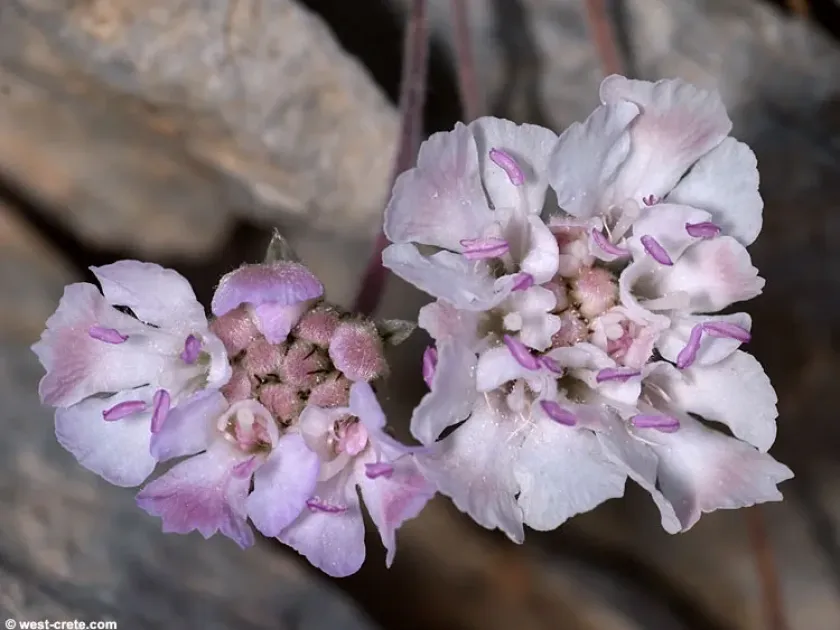
Description
Growing requirements
Scabiosa sphaciotica is a perennial herbaceous plant belonging to the Caprifoliaceae family. It originates from the mountainous regions of Crete, where it evolved as a specialized species adapted to rocky, limestone-rich soils and high altitudes.
The plant is characterized by its compact, cushion-forming habit, making it an excellent candidate for alpine landscaping. Its biological structure allows it to thrive in nutrient-poor substrates, focusing its energy on resilient foliage and delicate, long-lasting blooms.
Cultivation requires conditions that mimic its natural habitat: full sun exposure and exceptional soil drainage. It is highly intolerant of wet, heavy soils, which can quickly lead to root rot and loss of the specimen during dormant periods.
Regarding climate, this species is well-adapted to high-light environments and can handle significant temperature fluctuations. It requires little intervention in terms of fertilization, as excessive nutrients can negatively affect its natural, low-growing growth pattern.
The primary horticultural application for this species is in rock gardens, scree beds, and containers. Its ability to withstand drought makes it a valuable plant for xeriscaping, providing aesthetic beauty in dry, sunny landscape compositions.
Main diseases and pests
The most significant threat to Scabiosa sphaciotica is fungal infection caused by improper drainage and waterlogged soil. Such conditions facilitate the spread of pathogens that compromise the plant's delicate root system.
Pests such as aphids and spider mites are common concerns in greenhouse or confined environments. These organisms target the younger, more succulent leaves and flower stalks, potentially stunting the plant's development.
Effective management includes maintaining optimal spacing between plants to ensure adequate airflow. This simple measure prevents the buildup of humidity around the crown, significantly lowering the risk of fungal proliferation.
In cases of infestation, integrated pest management techniques, such as the application of specialized horticultural oils or systemic insecticides, are recommended. Early detection is crucial to preserving the decorative value of the plant.
By mimicking the dry, airy conditions of its native Cretan mountains, the gardener can largely avoid the need for heavy chemical treatments, ensuring the plant remains healthy and resistant to environmental stress.