
Scabiosa palestina
Scabiosa palestina
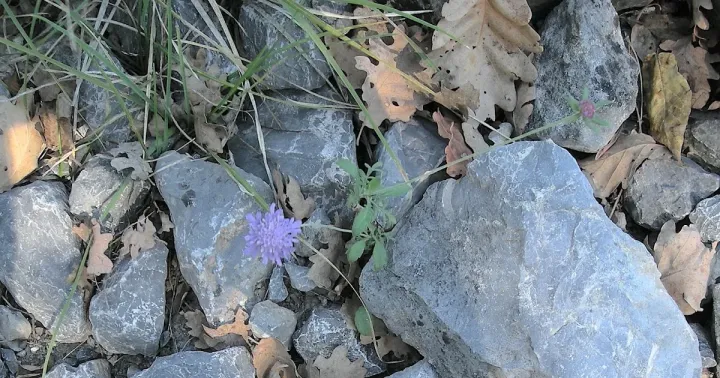
Description
Sowing dates
Scabiosa palestina is a hardy herbaceous plant that is typically sown in open fields during the spring season. The ideal window for sowing occurs in April or May, once the soil has sufficiently warmed up and the risk of severe night frost has passed.
For regions with shorter growing seasons, starting seeds in a protected environment such as a greenhouse or nursery tray is recommended. Sowing in late winter or early spring ensures that healthy, well-established seedlings are ready for transplanting.
The seeds have high germination potential but require shallow placement in the substrate. Covering them with a very thin layer of soil and maintaining consistent humidity levels is critical for successful emergence, which generally occurs within two weeks.
When direct seeding, maintaining a planting distance of 30–40 centimeters is essential for plant health. Adequate spacing promotes excellent air circulation, significantly reducing the risk of fungal outbreaks as the foliage expands.
Seedlings require consistent moisture during the initial establishment phase. Once the root system is developed, the plant becomes remarkably resilient, but early-stage care is vital for securing a robust and productive crop throughout the summer.
Growing requirements
As a light-loving species, Scabiosa palestina thrives in areas receiving full sun exposure throughout the day. Insufficient light leads to etiolation, weak stems, and a dramatic reduction in both the number and the size of the flower heads.
The species performs best in light, well-draining soil types. It is highly sensitive to waterlogged conditions, making high-drainage soils or raised beds an ideal choice to prevent root rot, especially during periods of heavy or persistent rainfall.
Originating from Mediterranean-influenced regions, this plant exhibits superior drought tolerance. While it can handle dry spells, supplemental irrigation during extreme heat is beneficial for maintaining optimal bloom quality and continuous flower production.
A neutral to slightly alkaline soil pH is optimal for this variety. The presence of calcium in the soil is particularly favorable for growth, making this plant a great candidate for soils that have been lightly amended with agricultural lime.
Fertilization should be handled with restraint. High nitrogen levels tend to promote excessive vegetative growth at the expense of flowering. A balanced, low-nitrogen slow-release fertilizer applied early in the season is generally sufficient.
Main diseases and pests
Powdery mildew is the most common concern for Scabiosa palestina, particularly in humid conditions with limited air movement. Proper spacing and the prompt removal of infected leaves are the primary methods for managing this fungal issue.
Root rot remains a major threat in soils with poor drainage. Ensuring the planting site has a porous structure is the most effective preventative measure against soil-borne pathogens that thrive in consistently damp environments.
Aphids and spider mites are typical pests that may infest the plant during hot, dry weather. Regular visual inspections of the leaf undersides allow for early detection and the application of targeted biological or mechanical control methods.
Thrips may occasionally cause damage to the developing buds, affecting the aesthetic quality of the blooms. In cases of high infestation, using systemic insecticides labeled for ornamental use can mitigate damage, provided that pollinator safety is prioritized.
Maintaining a weed-free environment is essential for overall crop vigor. Weeds not only compete for nutrients and space but can also act as alternate hosts for various pests, leading to secondary infestations on the cultivated plants.
Harvesting
For fresh cut flowers, harvest should be performed when the blossoms are fully open but not yet fading. Harvesting during the early morning hours ensures high turgor pressure in the stems, which contributes to a longer vase life.
Seed collection is possible once the flower heads have turned brown and the seeds are firm and fully mature. Careful harvesting is required to prevent pre-harvest loss, as the seeds disperse easily in windy conditions or upon physical contact.
Post-harvest, the seeds must be dried in a shaded, well-ventilated area to prevent mold. Once completely dry, they should be cleaned, labeled, and stored in breathable packaging to maintain viability for the following planting season.
If utilizing the plant for dried flower arrangements, harvest should occur when the buds are just beginning to open. Drying the stems upside down in a dark, dry room preserves the natural structure and color of the petals for an extended period.
Deadheading spent flowers throughout the season is a highly recommended practice. This stimulates the plant to divert energy into new bud formation, effectively extending the blooming period and maintaining a tidy appearance in the garden or field.