
Scabiosa minoana
Scabiosa minoana
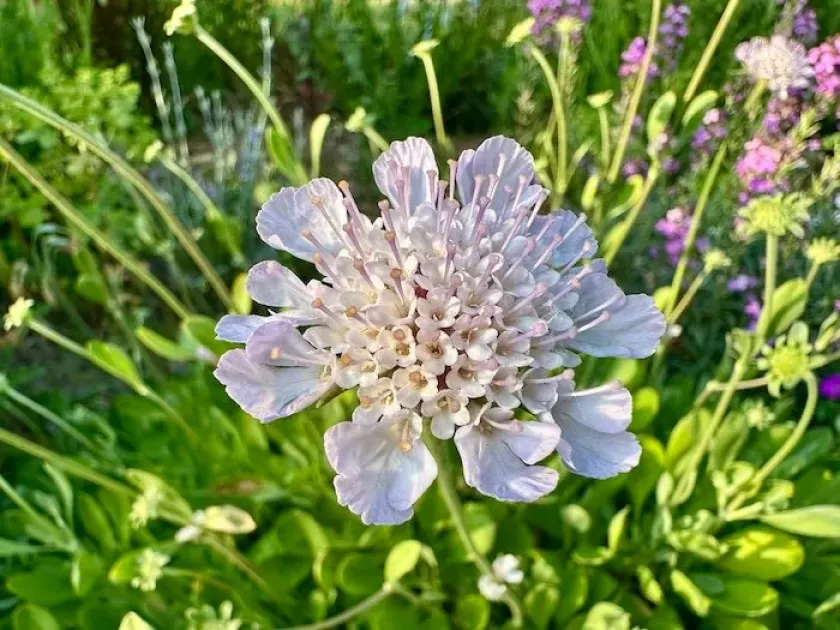
Description
Sowing dates
Scabiosa minoana is a perennial plant of the Caprifoliaceae family that requires specific germination conditions. Seeds are best sown in early spring, ideally in late March, to ensure a strong root system before the heat of summer arrives.
The use of seed trays with a sterile, sandy substrate is recommended to facilitate proper drainage. Seeds should be sown on the surface and barely covered with a thin layer of soil, as they require light exposure for successful germination.
Cold stratification of the seeds for about two to three weeks prior to sowing significantly increases the germination rate. This simulates the natural environmental triggers that occur in the Mediterranean region where the plant originated.
Maintain temperatures between 18 and 22 degrees Celsius during the initial growth phase. Once the seedlings develop two sets of true leaves, they should be transplanted into individual containers to allow for further root development.
Hardening off the seedlings is essential before moving them to their permanent outdoor location. Gradually introduce the plants to outdoor conditions over a period of ten to fourteen days to prevent transplant shock.
Growing requirements
Native to rocky slopes, Scabiosa minoana thrives in well-drained, porous soils. It is highly adapted to sunny environments and should be planted in a location that receives full sun for the majority of the day.
The soil should be slightly alkaline or neutral, containing a mixture of gravel or coarse sand to ensure that water does not remain around the crown of the plant. Heavy, clay-based soils are unsuitable without significant amendment.
Watering requirements are relatively low once the plant is established. It is vital to allow the soil to dry out significantly between watering sessions to prevent the development of root rot and other fungal diseases.
Nutrient requirements are minimal. Over-fertilization, especially with high-nitrogen products, is discouraged as it leads to excessive foliage growth that can make the plant susceptible to lodging and pests.
Climate adaptability is limited by the plant's sensitivity to high humidity. It performs best in Mediterranean-style climates but can be grown as an annual or a container plant in colder regions where winters are wet and harsh.
Main diseases and pests
Root rot is the most common threat for Scabiosa minoana in cultivation. It is almost exclusively caused by excessive moisture or soil compaction, so maintaining superior drainage is the primary defense strategy.
Powdery mildew can affect the foliage during periods of fluctuating humidity, particularly in stagnant air. Proper spacing between individual plants is necessary to allow for optimal airflow and reduce moisture accumulation on leaves.
Aphids often target the developing flower buds during the spring growth flush. These pests can be managed by using physical removal methods or, in severe cases, applying insecticidal soaps that are safe for pollinators.
Spider mites are a potential concern during hot, dry summer periods. Monitoring the underside of leaves for fine webbing and discolouration is critical, as damage can escalate quickly if conditions remain hot and dry.
General hygiene in the garden, including the removal of dead leaves and debris, is essential. Keeping the area around the base of the plant clean significantly reduces the likelihood of persistent fungal outbreaks.