
Scabiosa galianoi
Scabiosa galianoi
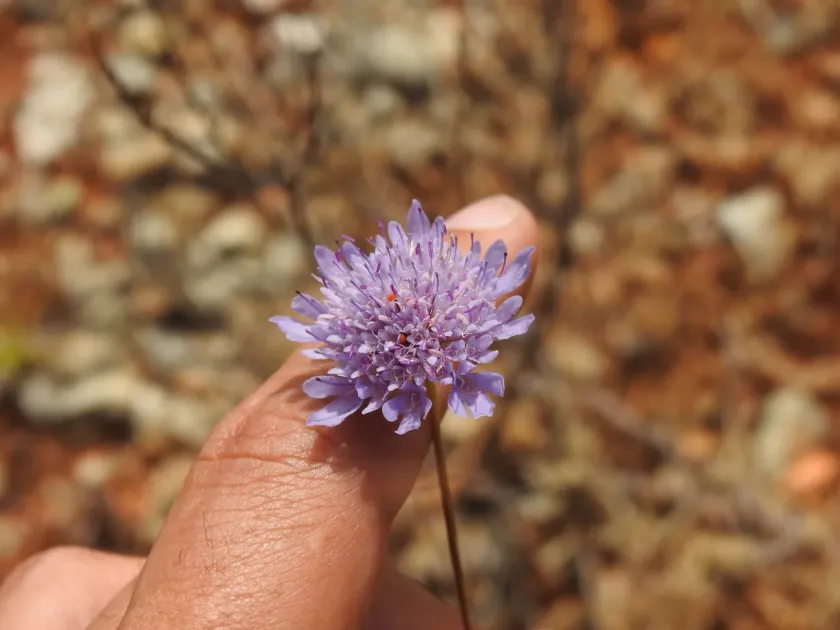
Description
Sowing dates
Sowing Scabiosa galianoi typically occurs in early spring, once the threat of frost has passed and soil temperatures reach at least 10–12 degrees Celsius.
For indoor propagation, seeds are started in trays during March using a well-draining, lightweight potting medium to promote healthy root development.
When sowing directly into the ground, seeds should be spaced adequately to prevent overcrowding, which is vital for the plant's long-term health.
The seeds require a shallow planting depth of approximately 0.5–1 cm to allow sufficient light penetration, which is a trigger for optimal germination.
Optimal germination conditions include consistent moisture and a stable temperature, allowing seedlings to establish within the first three weeks of planting.
Growing requirements
Scabiosa galianoi belongs to the Caprifoliaceae family and thrives in loose, well-draining soils with a neutral or slightly alkaline pH level.
This species is highly dependent on full sunlight exposure; shade significantly reduces the intensity of flowering and leads to weak, leggy stems.
Watering requirements are moderate; the soil should be kept moist but never waterlogged, as poor drainage is a primary cause of plant failure.
Regular fertilization with balanced nutrients during the growing season enhances flower production and improves the overall structural integrity of the plant.
The site selection should prioritize protection from strong winds, which can damage the delicate floral heads during the peak of the blooming season.
Main diseases and pests
Powdery mildew is a prevalent issue for this culture, particularly in environments with poor air circulation and high humidity levels.
Root rot often develops in soils that lack adequate drainage, leading to the rapid decline of the plant if not addressed with improved soil structure.
Aphids and spider mites are common pests that target the foliage and developing buds, potentially stunting the growth and flowering potential of the plant.
Early intervention with organic or synthetic pesticides, combined with good garden hygiene, effectively manages most pest populations.
Proper spacing during the planting phase is a crucial cultural practice that significantly reduces the incidence of fungal diseases among the foliage.
Harvesting
Harvesting for floral arrangements is best performed in the cool early morning hours when the stems are fully hydrated and turgid.
Cut the stems when the flowers are in the half-open stage to ensure the longest possible vase life and continuous bloom development.
For seed collection, allow the heads to dry completely on the stalk until they turn dark brown, indicating the seeds have reached full maturity.
Processing involves drying the harvested seed heads in a cool, ventilated area before removing the seeds for clean storage and future planting.
Post-harvest care of the plant bed, including the removal of spent stalks, helps maintain a clean appearance and encourages secondary flowering in some regions.