
Saribus rotundifolius
Saribus rotundifolius
Description
Growing requirements
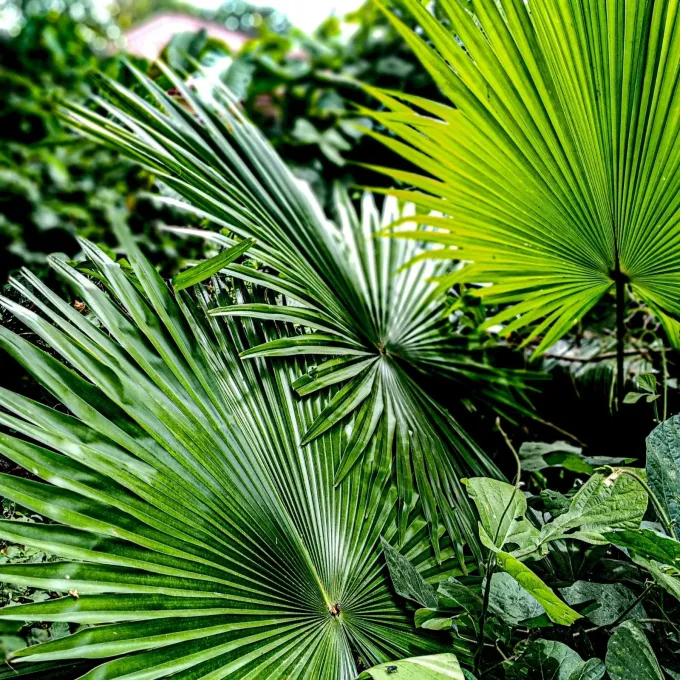
Saribus rotundifolius, commonly known as the fan palm, belongs to the Arecaceae family. This species originates from the tropical rainforests of Southeast Asia and is widely cultivated for its distinct, circular leaves that provide high ornamental value.
The plant requires a warm, humid environment to thrive, mimicking its native habitat. It is highly intolerant of frost, requiring minimum temperatures above 15 degrees Celsius for sustained healthy growth throughout the year.
In terms of light, the palm prefers bright, filtered sunlight. Exposure to harsh, direct midday sun should be avoided to prevent leaf scorch, especially when the plant is grown in containers or greenhouses.
Soil requirements involve a well-draining, nutrient-rich medium with a slightly acidic pH. The addition of organic matter like compost or peat moss is recommended to maintain moisture retention while ensuring excess water drains away from the root zone.
Agricultural and horticultural uses for Saribus rotundifolius are primarily ornamental. It is a favored choice for large landscape projects in tropical climates and as a premium indoor plant in commercial floral industries.
Main diseases and pests
Pest issues such as spider mites, scale insects, and mealybugs are the most common threats to the health of the palm. These pests typically thrive in environments with poor air circulation and low relative humidity.
Root rot, caused by overwatering and insufficient drainage, is a critical threat that can kill the plant quickly. Proper moisture management is the most important factor in preventing this devastating condition.
Leaf spot diseases can occur due to fungal pathogens, often triggered by overhead irrigation in poorly ventilated areas. Keeping the foliage dry and maintaining good airflow is vital to disease prevention.
Management involves regular inspections of the underside of the leaves where pests tend to cluster. If an infestation is detected, insecticidal soaps or systemic treatments should be applied according to the manufacturer's instructions.
Cultural hygiene practices, such as removing dead or damaged leaves, help maintain the plant's health and reduce the breeding grounds for pathogens and harmful insects.