
Saribus merrillii
Saribus merrillii
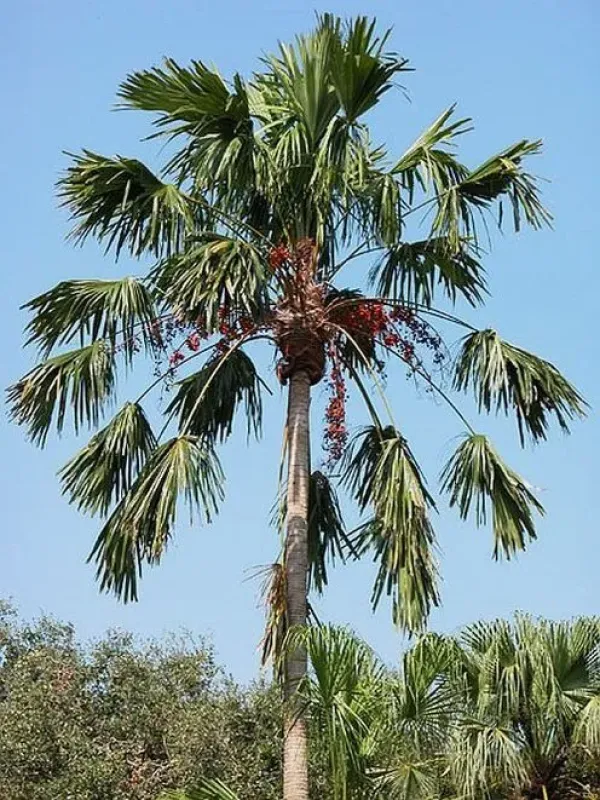
Description
Growing requirements
Saribus merrillii is a distinctive species of fan palm belonging to the Arecaceae family. This plant is native to the lush tropical rainforests of the Philippines, where it thrives in shaded and humid environments.
The culture requires a stable, warm environment with high humidity levels. Ideally, temperatures should remain consistently between 22 and 30 degrees Celsius to support optimal growth and development.
The soil must be well-draining yet capable of holding moisture. A mixture of peat, perlite, and coarse sand is recommended to prevent waterlogging, which the plant is highly sensitive to.
Light requirements involve bright, filtered sunlight. Exposure to harsh, direct sunlight can bleach the foliage, whereas too much shade will result in elongated, weak stems and slow growth rates.
Regular fertilization is essential during the active growing season. A specialized palm fertilizer, high in potassium and micronutrients, should be applied every few months to maintain vibrant green color.
Main diseases and pests
The primary threat to Saribus merrillii is root rot, which typically stems from poor drainage or excessive watering. Once root decay starts, it can be extremely difficult to reverse the damage.
Scale insects are a common pest that attaches to the leaves and stems. They extract sap from the palm, leaving behind a sticky residue that attracts black sooty mold on the foliage.
Spider mites are prevalent in environments with low humidity. These microscopic pests weave fine webs under the leaves, leading to yellowing and eventually the premature death of the leaf blades.
Fungal infections in the crown area, often referred to as bud rot, can be fatal. This is frequently caused by water accumulating in the growth point due to poor air circulation.
Integrated pest management, including regular washing of the foliage and application of horticultural oils, is the most effective strategy for maintaining a healthy and disease-free specimen.