
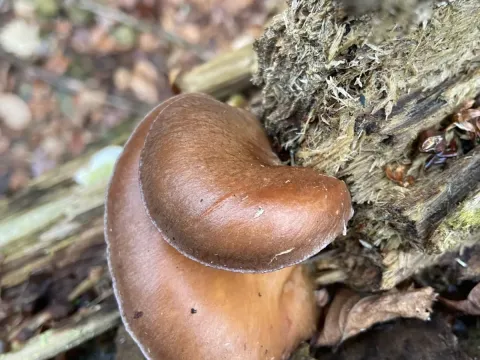
Sarcomyxa
Sarcomyxa P. Karst.
Sarcomyxa is a genus of fungi belonging to the Tricholomataceae family. These organisms are recognized for their role in breaking down woody substrates within forest environments globally.
What the section contains

Sarcomyxa
The biological nature of Sarcomyxa is defined by its saprotrophic lifestyle. These fungi thrive on decaying logs, stumps, and fallen branches, effectively recycling organic matter back into the soil cycle.
Optimal environmental requirements for this genus include high humidity levels and shaded locations. Unlike many other fungi, they are particularly adapted to late-season growth, often appearing in late autumn.
In terms of soil and substrate needs, Sarcomyxa prefers deciduous timber in advanced stages of decay. The presence of specific chemical compounds in the wood influences the rate of colonization.
The botanical structure of Sarcomyxa, particularly species like Sarcomyxa serotina, includes distinctive cap morphology and gelatinous tissue layers, which assist in moisture retention during cold spells.
The primary threats to Sarcomyxa populations are habitat destruction and forestry practices that involve the systematic removal of coarse woody debris from the forest floor.
Fungal-feeding insects such as dipteran larvae pose a significant risk to the integrity of fruiting bodies, which directly impacts the reproductive cycle and spore dispersal.
Intense competition with other wood-decaying species often limits the expansion of Sarcomyxa colonies, as more dominant fungi may outcompete it for the available nutritional resources.
Climatic variability, such as unpredictable warm spells in winter followed by freezing temperatures, disrupts the dormancy period and damages the underlying fungal mycelium.
Furthermore, pathogenic fungi that specialize in infecting other mushrooms can drastically reduce the productivity of a colony, leading to localized declines in population numbers.