
Sarcococca hookeriana
Sarcococca hookeriana Baill.
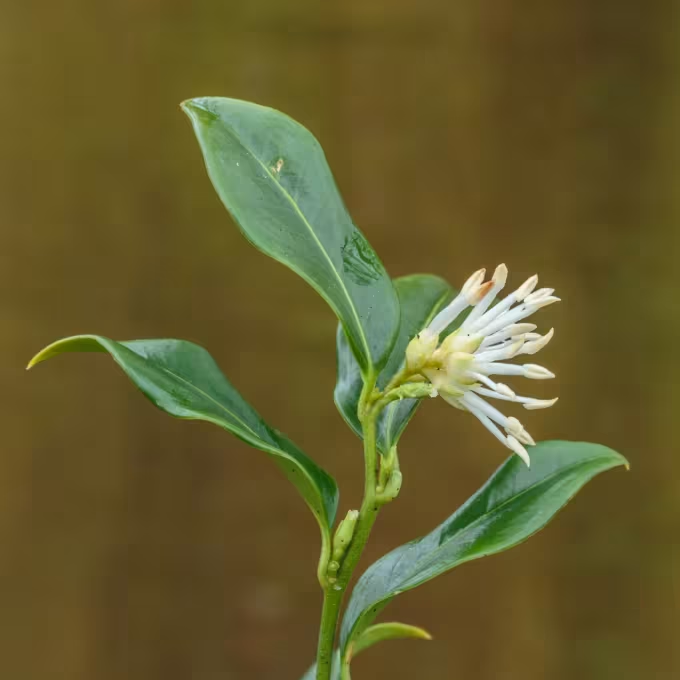
Description
Growing requirements
Sarcococca hookeriana is an evergreen shrub belonging to the Buxaceae (boxwood) family. Originating from the Himalayas and parts of China, it is highly valued for its glossy foliage and fragrant winter flowers.
The plant thrives in partial to full shade, making it an excellent choice for woodland gardens or understory planting. Intense direct sunlight can lead to leaf scorching, so it is best positioned in sheltered areas.
Regarding soil requirements, Sarcococca prefers moisture-retentive, fertile, and well-drained soil rich in organic matter. It performs best in neutral to slightly acidic soil conditions and does not tolerate waterlogging.
In terms of climate, it is a hardy species but benefits from protection against harsh, drying winds. Mulching the base annually helps retain soil moisture and protects the shallow root system during temperature fluctuations.
Agrotechnical care is relatively minimal. Regular watering during establishment and dry spells is crucial, along with occasional pruning to maintain its form or remove dead wood after the flowering period.
Main diseases and pests
Sarcococca hookeriana is generally robust and rarely suffers from severe diseases, making it a low-maintenance option for residential landscaping.
Root rot is the most common issue occurring in poorly drained soils. To mitigate this risk, gardeners should ensure proper soil preparation and adequate drainage before planting.
Pests such as aphids or scale insects may occasionally infest the plant, usually appearing in the spring. These are typically managed through careful inspection and insecticidal soap applications.
The plant is resilient against most local garden pests, provided that it is not under significant environmental stress from drought or nutrient deficiency.
Maintaining good air circulation and avoiding overhead watering can significantly reduce the potential for fungal leaf spotting and other opportunistic infections.