
Sanvitalia ocymoides
Sanvitalia ocymoides
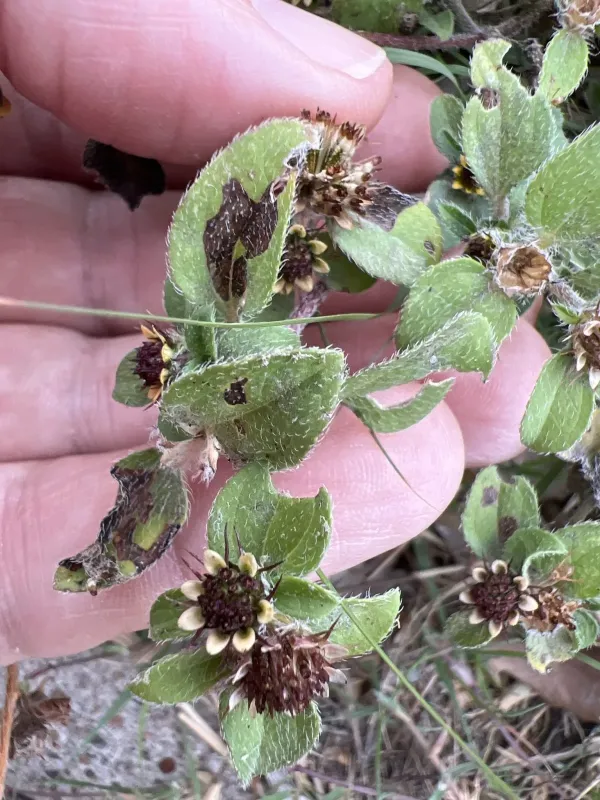
Description
Sowing dates
Sanvitalia ocymoides is an annual herbaceous plant belonging to the Asteraceae family. For high-quality seed material and abundant flowering, sowing is typically carried out in the spring.
In temperate climates, the transplanting method is widely practiced. Seeds are sown in containers or seed trays during March or April, allowing for flowering plants by early summer.
When sowing directly into the open ground, it is essential to wait until the soil is thoroughly warmed and the risk of late spring frosts has passed. This period usually occurs in the second half of May.
The seeds of this crop demonstrate good germination rates when temperatures are maintained between 18 and 22 degrees Celsius. Seeds should be sown at a depth of no more than 0.5 to 1 centimeter.
Once seedlings emerge, they require adequate light to prevent leggy growth. Timely transplanting of seedlings promotes the development of a robust root system, which is crucial for successful establishment.
Growing requirements
This crop is a sun-loving plant that performs best in open, sunny locations. In shaded areas, Sanvitalia ocymoides loses its aesthetic appeal, flowering becomes sparse, and stems stretch out excessively.
The plant is moderately demanding regarding soil conditions but prefers loose, fertile, and well-drained soils. Waterlogging in the root zone is detrimental to this species.
Watering should be regular and moderate, especially during prolonged summer droughts. While the plant can tolerate short periods of moisture deficiency, consistent watering is needed to maintain its ornamental qualities.
Applying complex mineral fertilizers has a positive impact on growth rates. It is recommended to apply fertilizers every 3–4 weeks throughout the active growing season.
Standard horticultural practices also include weeding and loosening the soil around the plants to improve root aeration. This helps prevent fungal diseases often associated with compacted soil structures.
Main diseases and pests
The primary pests that can affect this crop include aphids and spider mites. These insects feed on the sap of young leaves and shoots, leading to deformation and overall weakening of the plant.
High humidity and waterlogged soil conditions pose a high risk of root rot. This disease manifests as a darkening of the stem base, eventually leading to the wilting of the entire above-ground part.
Powdery mildew can affect leaves during unfavorable weather conditions, especially when high humidity alternates with cool nights. A characteristic white powdery coating appears on the leaf surfaces.
To combat insect pests, modern systemic insecticides are effective. It is critical to apply treatments upon the first signs of infestation, following the manufacturer's instructions precisely.
Disease prevention involves maintaining optimal spacing between plants during planting, which ensures proper air circulation. Removing infected plant debris promptly is also essential for garden sanitation.