
Sanvitalia hybrids
Sanvitalia hybrids
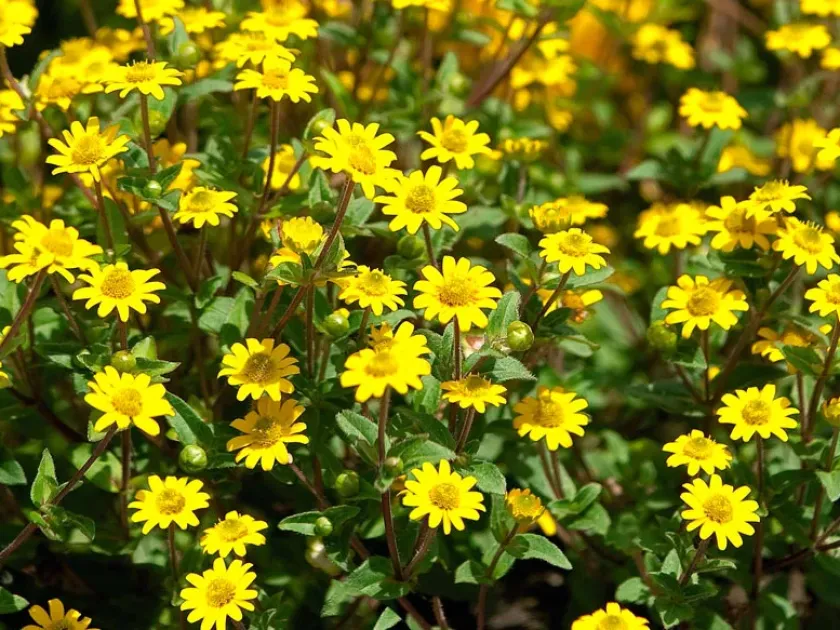
Description
Sowing dates
Sanvitalia hybrids are popular annual bedding plants belonging to the Asteraceae family. They are widely appreciated for their trailing habit and prolific production of small, daisy-like flowers.
Seeds should be started indoors about 6 to 8 weeks before the last expected frost date. Sowing in seed trays with a sterile, well-draining potting mix ensures healthy germination.
Once seedlings develop their first true leaves, they should be pricked out into individual pots. Maintaining consistent soil moisture and providing bright light helps prevent the seedlings from becoming leggy.
Transplanting into the garden should occur only after the soil has warmed up significantly and all risks of frost have passed, as these plants are highly sensitive to cold temperatures.
In warmer climates, direct sowing into prepared beds is possible, though indoor starts are preferred to ensure a longer blooming season and better establishment of the plants.
Growing requirements
Full sun is essential for Sanvitalia hybrids to thrive. Providing at least 6 to 8 hours of direct sunlight per day is necessary to encourage maximum flower production throughout the summer.
Well-drained soil is crucial for the health of this species. While they can tolerate various soil types, they perform best in light, sandy, or loamy soils with moderate fertility levels.
Watering requirements are moderate. The plants show good tolerance to temporary dry spells, but consistent moisture is key to maintaining a lush, continuous carpet of yellow or orange blooms.
Fertilization should be handled with care. A balanced, slow-release fertilizer applied at the beginning of the season is usually sufficient, as excess nitrogen can discourage flower development.
Regular deadheading of spent flowers can help keep the plants looking tidy and may encourage a second flush of blooms, effectively extending the aesthetic value of the garden display.
Main diseases and pests
Sanvitalia hybrids are generally robust plants, but they can suffer if placed in environments with poor air circulation or excessive soil moisture which invites various fungal pathogens.
Root rot is the most common issue associated with waterlogged conditions. Ensuring that the planting site has excellent drainage is the primary defense against this destructive disease.
Slugs and snails are the most prominent pests, particularly during wet seasons or in gardens with high organic debris where these mollusks tend to hide during the day.
Aphids can occasionally colonize new growth during periods of heat stress, causing leaf curling and stunted development if left unchecked by natural predators or manual removal.
Maintaining a clean garden bed by removing weeds and plant debris will significantly reduce the likelihood of pest infestations and help prevent the spread of fungal spores.