
Sanchezia parvibracteata
Sanchezia parvibracteata
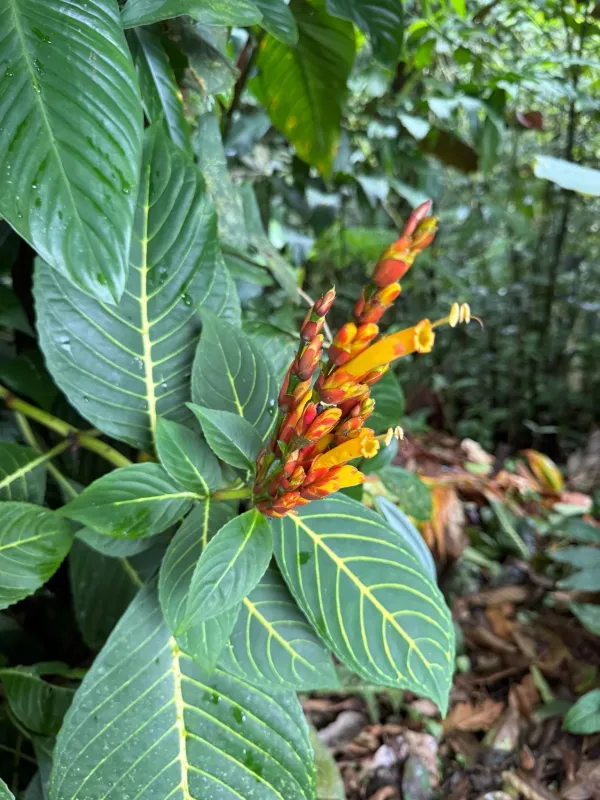
Description
Growing requirements
Sanchezia parvibracteata is an ornamental plant belonging to the Acanthaceae family. It is native to the tropical forests of South America, primarily documented in regions of Ecuador and Peru.
This species requires high ambient temperatures to thrive, ideally between 20°C and 25°C. Exposure to cold drafts or temperatures below 15°C can cause significant physiological damage to the shrub.
Humidity is a crucial factor for this culture. It flourishes in environments with high humidity levels, necessitating frequent misting or the use of pebble trays in indoor settings.
The soil requirements involve a well-draining, nutrient-rich potting medium. A blend composed of peat moss, leaf mold, and coarse sand provides the necessary structure and water retention for healthy root growth.
Sanchezia thrives best in bright, indirect light. Direct sunlight exposure should be avoided as it can cause bleaching and scorching of the foliage, diminishing the plant's aesthetic value.
Main diseases and pests
The most common pests affecting Sanchezia parvibracteata include spider mites, which typically proliferate in warm, dry indoor environments. Regular inspections are necessary to detect infestations early.
Mealybugs are another prevalent threat. These pests tend to hide in the axils of leaves and along the stems, making them difficult to spot during the initial stages of an infestation.
Root rot, induced by waterlogged soil and poor drainage, is a lethal condition for this species. Ensuring that the pot has sufficient drainage holes is a fundamental requirement of its care.
Leaf drop is a common symptom of stress, often caused by sudden environmental changes, such as erratic watering or temperature fluctuations. Maintaining consistency is vital for plant stability.
In cases of severe pest infestation, the use of targeted horticultural oils or systemic insecticides is recommended to preserve the plant's health and visual appeal.