
Ononis alopecuroides
Ononis alopecuroides L.
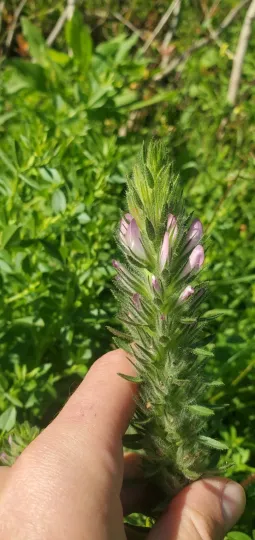
Description
Sowing dates
Ononis alopecuroides is an annual herbaceous plant belonging to the Fabaceae family. Planting typically occurs in the spring, once soil temperatures consistently exceed 10–12 degrees Celsius, which is essential for uniform germination.
The seeds should be sown in rows spaced approximately 30–45 centimeters apart to allow sufficient room for development and to facilitate mechanized weeding practices.
A sowing depth of 2 to 3 centimeters is recommended, coupled with adequate soil moisture to ensure the seeds establish themselves quickly without succumbing to rot in dry or overly wet conditions.
The seed rate typically ranges from 8 to 12 kilograms per hectare, depending on the germination rate of the batch and the specific preparation of the seedbed.
Early sowing is beneficial as it allows the crop to establish a deep root system, which helps the plant survive potential dry spells later in the growing season.
Growing requirements
The crop prefers well-drained, fertile soil, ideally ranging from sandy loams to light clay soils. Good aeration is vital, as this plant does not tolerate waterlogging around its root zone.
Being a sun-loving plant, it requires open fields with full exposure to sunlight to reach its maximum biomass production and to encourage the development of healthy pods.
While tolerant to moderate heat, optimal growth is observed when temperatures remain within a stable range of 20–25 degrees Celsius, avoiding extreme temperature fluctuations.
Soil nutrient management should focus on phosphorous and potassium application, as these elements are crucial for legumes to develop strong roots and to support the nitrogen-fixation process.
Maintaining a balanced soil pH, ideally in the neutral to slightly alkaline range, supports the microbial activity necessary for the plant's natural nutrient absorption.
Yield
The yield of Ononis alopecuroides depends heavily on successful weed control during the establishment phase and the availability of moisture during the peak vegetative period.
Farmers can expect a dry matter yield ranging from 3 to 5 tons per hectare, making it a reliable choice for mixed forage production in appropriate climatic conditions.
Irrigation can significantly boost the biomass yield, allowing for more consistent results regardless of rainfall variations, which is vital for commercial fodder operations.
Seed harvest potential requires careful timing; the plants must be harvested before pods become brittle to minimize losses during the cutting and threshing process.
Strategic nutrient management, particularly with potash, can further enhance the protein content of the forage, thereby increasing its overall value as livestock feed.
Main diseases and pests
Common plant diseases, including various types of mildew and fungal rust, pose a significant risk, especially during humid or rainy weather conditions that limit airflow through the crop canopy.
Insects like aphids and specialized weevils are the primary pests that damage the vegetative and reproductive parts of the plant, potentially causing substantial yield losses.
Integrated pest management, including crop rotation and the use of resistant varieties, is the most effective way to keep pest populations below the economic injury level.
Farmers should conduct regular monitoring of the fields, specifically checking the underside of leaves for early signs of infestations that may require targeted insecticide treatments.
- Crop rotation with non-leguminous species to break disease cycles.
- Regular field scouting for early pathogen detection.
- Proper management of field edges to reduce habitat for weeds and pest insects.
Harvesting
Harvesting for forage is recommended during the full bloom phase, which represents the optimal balance between biomass volume and the nutritional quality of the plant tissue.
Using specialized mowers that can crimp the stems helps to speed up the drying process, ensuring that the harvested material reaches the desired moisture level for safe storage.
If the goal is seed production, harvest should commence when the majority of pods turn dark, while being careful not to wait until they are completely dry to avoid shattering.
The remaining plant biomass after seed harvest serves as an excellent source of organic matter, which can be incorporated into the soil to improve structure and fertility.
Storage facilities must be well-ventilated and dry to prevent the buildup of heat and moisture, which could otherwise lead to the development of mold and spoilage of the forage.