
Spiny restharrow
Ononis spinosa L.
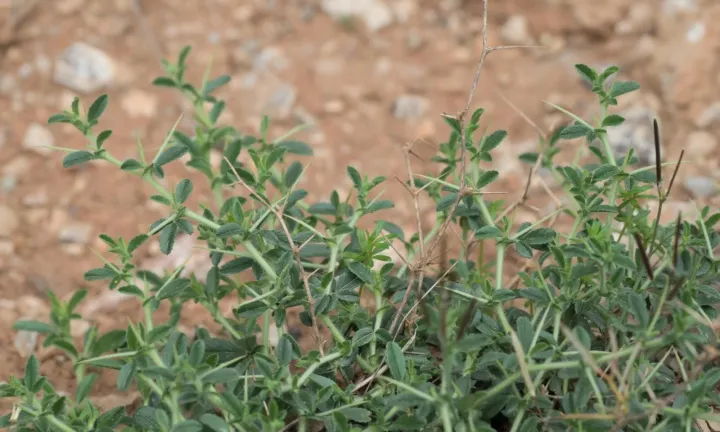
Description
Sowing dates
Ononis spinosa is primarily propagated by seeds, which require stratification to break dormancy and ensure uniform germination in the field.
The optimal sowing time is late autumn or early spring, placing seeds at a shallow depth of approximately 1.5 to 2 centimeters into well-drained soil.
Commercial plantations are typically established with row spacing of 50 to 60 centimeters to facilitate mechanical weed control and maintenance.
As the plant develops a deep taproot early on, it is crucial to keep the soil weed-free during the first year of establishment to avoid competition.
Seedlings show slow initial growth, so proper preparation of the seedbed is essential to provide a competitive advantage to the young plants.
Growing requirements
The Spiny restharrow belongs to the Fabaceae family and is recognized for its ability to thrive in diverse and often harsh environmental conditions.
It prefers sunny, open locations with light, sandy or loamy soils that possess a neutral to slightly alkaline pH and excellent drainage properties.
The plant is highly drought-tolerant due to its extensive and deep taproot system, allowing it to access moisture from lower soil layers.
It is winter-hardy and well-adapted to temperate climates, showing significant resilience against cold temperatures without requiring special winter protection.
Poor soil fertility is generally tolerated, though moderate nutrient levels can enhance biomass production during the plant's vegetative stage.
Yield
The yield of Ononis spinosa is largely centered on its roots, which are harvested for medicinal purposes, usually starting from the third year of growth.
Average production yields can range from 1.5 to 3 metric tons of dried root per hectare, depending on planting density and environmental stressors.
Improving soil aeration through periodic inter-row cultivation helps increase the mass and quality of the root system, boosting overall harvest efficiency.
While the aerial parts are sometimes harvested for specific extracts, the primary economic value remains in the high-quality root biomass.
Optimal timing for harvest is crucial to maximize the concentration of active compounds, which tends to peak before the plant enters winter dormancy.
Main diseases and pests
This crop is generally resistant to many common pests, though root rot can become an issue in poorly drained soils or areas with high humidity.
Certain coleopteran pests, such as weevils, may damage foliage, requiring monitoring during the peak of the growing season to prevent significant injury.
Aphid infestations can occur in warm, dry weather, potentially weakening the plant if left unchecked, though serious economic damage is infrequent.
Integrated pest management strategies are recommended to maintain the medicinal quality of the raw material by minimizing synthetic chemical exposure.
Crop rotation remains the best preventative measure against soil-borne pathogens, ensuring long-term health for the perennial plantation.
Harvesting
Harvesting of the roots is conducted in late autumn or early spring using specialized machinery to lift the deep root systems from the soil.
Once extracted, roots must be washed thoroughly to remove soil particles and trimmed of any non-essential aerial stems or damaged sections.
Drying is a critical step; roots are typically processed in temperature-controlled drying facilities to prevent mold growth and maintain potency.
Proper ventilation during the drying process ensures the consistency of the final product and prevents unwanted chemical degradation of active ingredients.
Stored in dry, dark, and cool conditions, the dried roots retain their therapeutic efficacy for an extended period, meeting quality standards for export.