
Restharrow
Ononis arvensis L.
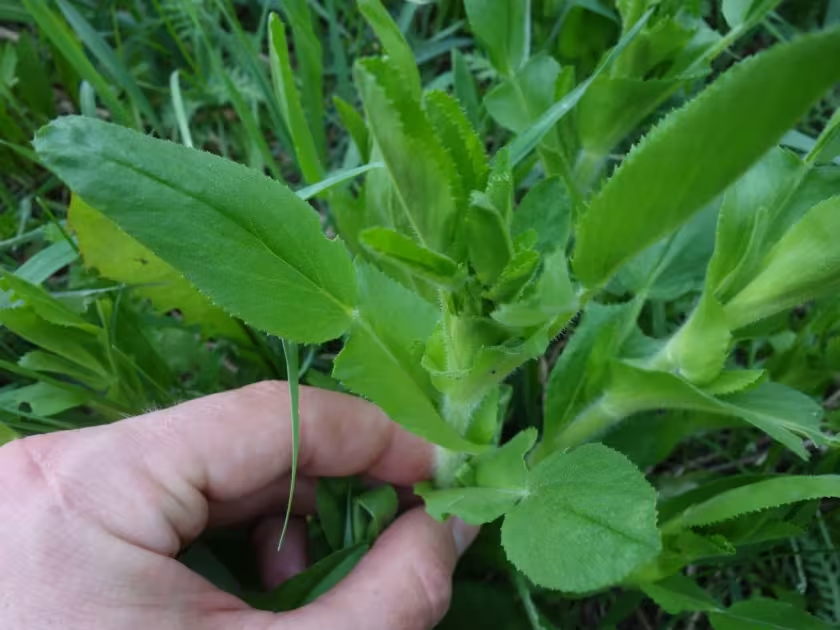
Description
Growing requirements
Restharrow (Ononis arvensis L.) is a perennial herb belonging to the Fabaceae family. Known for its tough, woody root system, this plant has historically been managed both as a wild-harvested resource and a cultivated crop for medicinal purposes.
The plant thrives in well-drained, fertile soils with a neutral pH. It is particularly adaptable to varying soil textures, from loams to lighter sandy soils, provided that the soil is not prone to waterlogging, which can cause root rot.
As a sun-loving plant, it requires full exposure to sunlight to develop high concentrations of secondary metabolites within its roots. Reduced light intensity results in weaker growth and lower pharmacological quality of the harvested materials.
The species is known for its remarkable resilience to drought, as its deep taproot allows it to access subsurface moisture. This characteristic makes it a suitable candidate for marginal agricultural lands in temperate regions.
Economically, restharrow is valued for its diuretic and anti-inflammatory properties. The roots are the primary commercial product, used extensively in the production of herbal teas, tinctures, and standardized pharmaceutical extracts.
Main diseases and pests
Like many perennial legumes, restharrow can be susceptible to various root pathogens if cultivated in soils with poor drainage. Fungal diseases are the primary threat to the longevity of the plantation.
Insect pests, including root-boring beetles and weevils, can cause significant damage to the plant's structural integrity. These pests often target younger plants, impacting the overall density of the crop field.
Aphid infestations on the foliage can stunt the plant's vegetative development by sapping energy. Monitoring programs should be focused on early detection to avoid the need for heavy chemical treatments.
Weed competition is a significant concern during the initial establishment phase in the first year of growth. Regular mechanical weeding between rows is essential to ensure the plant gains enough strength to dominate the area.
Integrated pest management strategies are recommended, focusing on crop rotation and soil preparation techniques that minimize the buildup of soil-borne pathogens before planting the crop.
Harvesting
The harvest of restharrow is typically performed during the plant's dormant stage. In commercial operations, this is usually scheduled after the second or third growing season to ensure optimal root biomass.
Roots are harvested using mechanical lifters that penetrate deep enough to extract the taproot system intact. This process requires dry soil conditions to facilitate the separation of roots from the earth.
Post-harvest processing involves thorough washing to remove all soil particles. This stage is crucial, as residual dirt can compromise the quality standards required by pharmaceutical processors.
After cleaning, the roots are sectioned into manageable pieces. Proper sizing ensures uniform drying, which is essential to prevent mold growth and ensure the stability of active compounds during storage.
Drying is conducted in controlled environments at low heat levels to preserve the integrity of essential oils and other thermolabile substances, resulting in a premium medicinal product ready for market distribution.