
Saltgrass
Distichlis spicata L.
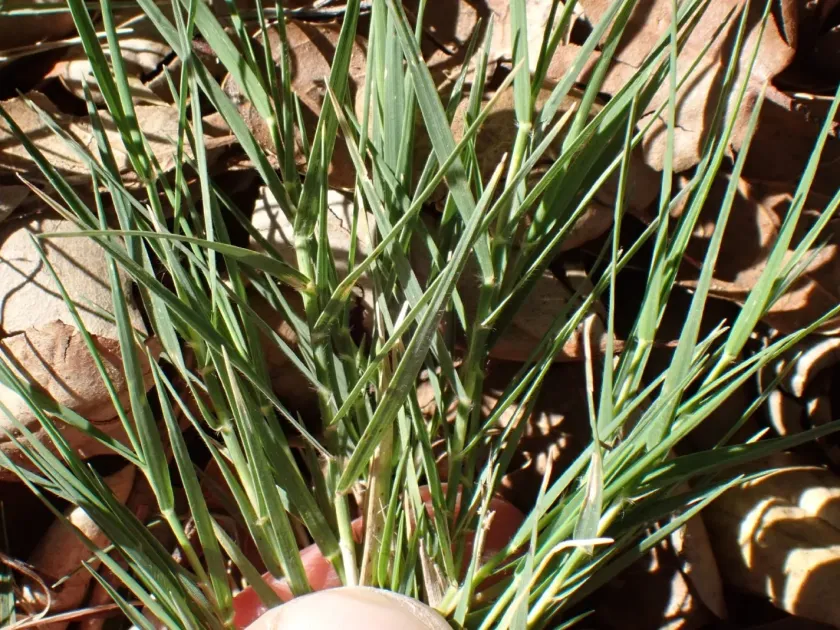
Description
Growing requirements
Saltgrass (Distichlis spicata) belongs to the Poaceae family. This perennial grass is globally recognized for its extreme salt tolerance and ability to thrive in harsh coastal environments where most agricultural crops would perish.
Originating from the coastal regions of North and South America, this plant is well-adapted to tidal marshes and salt flats. It spreads through vigorous rhizomes, forming dense sod that effectively stabilizes shoreline soils against wave action and wind erosion.
The plant requires full sun exposure to flourish and maintain its structural integrity. It is exceptionally tolerant of varying moisture conditions, ranging from periodically flooded areas to dry, saline landscapes, displaying high physiological plasticity.
A distinctive botanical feature is the presence of specialized salt-secreting glands on the leaves, which allow the plant to manage internal salinity levels. This makes it an ideal candidate for ecological restoration of degraded or saline soils.
Economically, saltgrass is utilized for land reclamation, soil erosion management, and as a low-maintenance forage option in areas where soil salinity prevents the growth of standard grasses. It is also increasingly used in sustainable landscaping.
Main diseases and pests
Saltgrass possesses significant natural resistance to various plant pathogens common to cultivated grasses. Its high tissue salinity creates an inhospitable environment for many bacteria and fungal spores, providing a level of inherent protection.
Potential threats include waterlogging in poorly drained soils, which may lead to the development of root rot during peak heat. Ensuring proper soil aeration is essential for maintaining a healthy and productive stand of saltgrass.
Pest pressure is generally minimal. However, some specialized insects may feed on the foliage in stable, long-term colonies. Integrated pest management strategies rely mostly on maintaining optimal plant vigor through balanced soil chemistry.
Invasive weed species can pose a threat to young establishments. Effective site preparation, including the removal of competitive perennial weeds before sowing or planting, is necessary to ensure successful colonization by the saltgrass.
Monitoring for nutrient deficiencies is important, especially in highly leached soils where the salt tolerance mechanism might require specific mineral uptake, potentially leading to slow growth if micronutrients are depleted.