
Salpichroa
Salpichroa
Salpichroa is a genus of perennial herbaceous plants and subshrubs belonging to the Solanaceae family. The plants are primarily native to South America, specifically the Andean regions, where they have evolved to thrive in high-altitude environments with distinct temperature fluctuations.
What the section contains

Salpichroa
Agricultural success with Salpichroa depends on providing well-draining, nutrient-rich soil. The species is highly sensitive to soil compaction and waterlogging; therefore, adding organic matter and ensuring excellent drainage are essential practices for healthy root development.
The climate requirements involve a stable, temperate environment with plenty of bright, indirect sunlight. In many regions, this plant is best suited for greenhouse or container cultivation, allowing growers to manage temperature and protect the plant from harsh, cold winds or frosts.
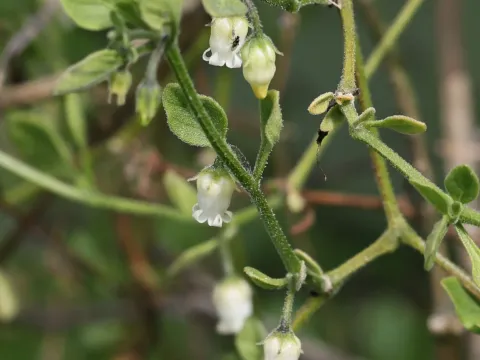
Botanically, Salpichroa is noted for its bell-shaped or urceolate flowers and fleshy berries. The plant growth habit varies from trailing to upright, making it adaptable to different landscape uses or vertical support systems in a controlled environment.
The economic and agricultural utility of Salpichroa is largely niche. It is mostly recognized for its edible berries, which offer a unique flavor profile, and as an ornamental specimen in botanical collections due to its interesting floral morphology and evergreen nature.
Like many plants in the nightshade family, Salpichroa is susceptible to fungal pathogens, including various forms of root rot and blight, especially in environments with poor air circulation and excessive humidity levels.
Common pests include spider mites, aphids, and whiteflies, which can quickly colonize the foliage in indoor settings. Effective management involves maintaining a clean growing area and utilizing integrated pest management strategies to ensure long-term plant health.