
Sageraea thwaitesii
Sageraea thwaitesii
Description
Growing requirements
Sageraea thwaitesii is a distinct species within the Annonaceae family, native to the tropical rainforests of Southern India and Sri Lanka. This evergreen tree is valued for its unique biological traits and high-quality timber properties.
The plant thrives in regions with consistently high humidity and temperatures, requiring fertile soil profiles that offer exceptional drainage. It is crucial to ensure that the growth medium is rich in organic matter to support the tree's development.
In terms of agricultural requirements, the species demonstrates a preference for sheltered environments during its sapling stage, mimicking the shade of the rainforest canopy. As it matures, the tree displays robust growth, provided that environmental conditions remain stable.
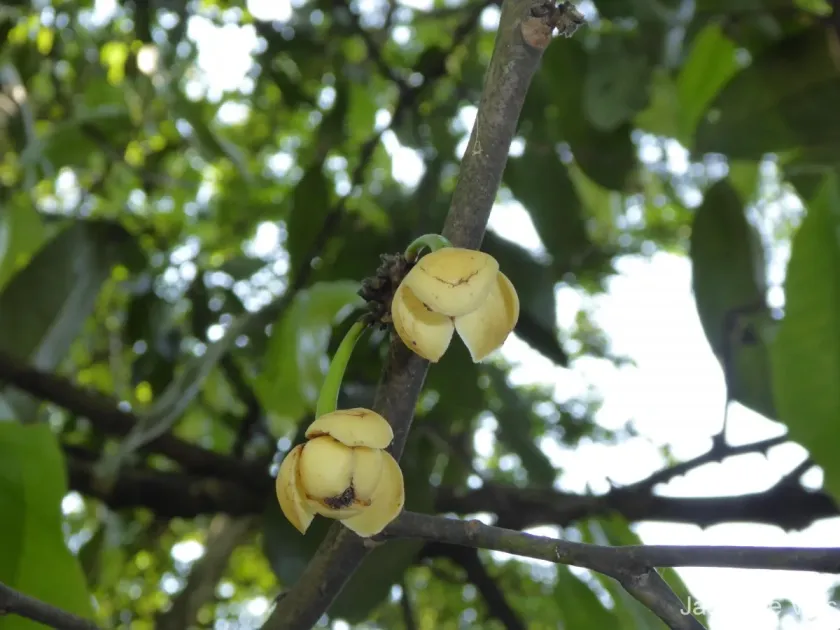
Botanically, Sageraea thwaitesii is distinguished by its glossy foliage and characteristic Annonaceae flowers. The tree structure is generally upright, with a straight trunk that is highly prized for its wood quality.
Economic utilization of the species focuses on the timber industry, where its durable wood is used in fine carpentry and construction. The wood's structural integrity makes it a sustainable choice for specialized woodwork when properly managed.
Main diseases and pests
Like many tropical species, Sageraea thwaitesii is prone to fungal infections, particularly those that thrive in high-humidity habitats. Root rot remains the most significant threat to young plantations lacking proper drainage.
Insect pests represent another category of threats, with leaf-eating beetles potentially damaging the canopy. Regular inspection is necessary to manage these outbreaks and ensure the health of the trees in nursery settings.
Wood-boring insects, or xylophagous beetles, can compromise the structural quality of mature timber. Forestry management practices, such as selective thinning and monitoring, are essential to mitigate these risks effectively.
Environmental stress, often caused by changes in natural humidity or nutrient imbalances, can lower the tree's natural resistance. Maintaining a balanced soil composition is key to fostering strong, healthy growth cycles.
Invasive pathogens can be introduced via contaminated tools or soil, necessitating strict biosecurity protocols during cultivation. Proactive management remains the best strategy for preserving the long-term viability of the species.