
Sageraea elliptica
Sageraea elliptica
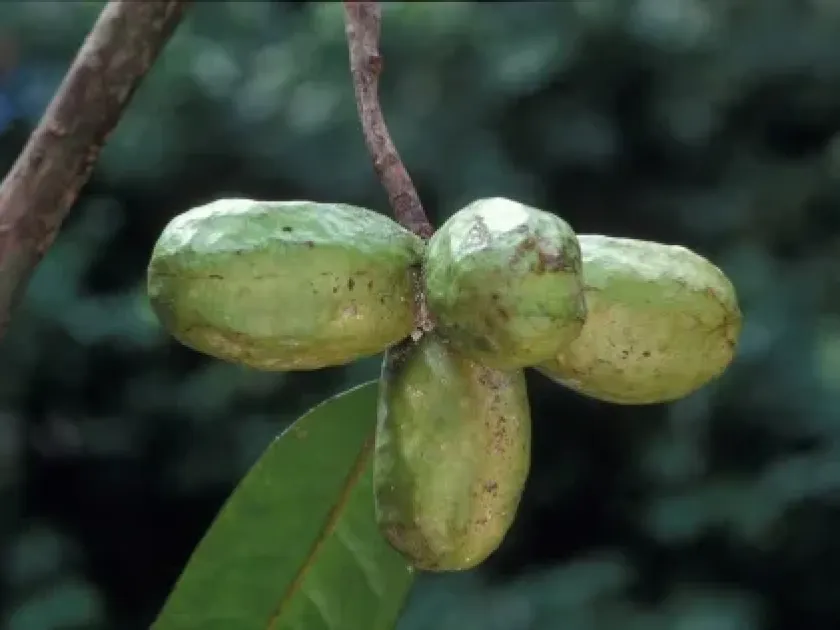
Description
Growing requirements
Sageraea elliptica is a notable species belonging to the Annonaceae family. This evergreen tree is recognized for its elliptical foliage and smooth bark, often growing into a significant forest tree in its native tropical habitat.
Originating from the tropical regions of Southeast Asia, including countries like India, Myanmar, and Thailand, this plant thrives in warm, humid environments. It is a key component of the rainforest structure in these geographical zones.
The tree demands fertile, well-draining soil to achieve its potential growth height. It does not tolerate waterlogging, which necessitates careful site selection in areas with high rainfall to ensure that the soil remains aerated.
Regarding climatic conditions, Sageraea elliptica prefers steady temperatures throughout the year. It exhibits shade tolerance during its early developmental stages, allowing it to regenerate effectively under a forest canopy before reaching the upper layers.
Economically, the species is valued for its dense, high-quality timber. The wood is widely utilized in the construction of boat frames and the manufacturing of high-end furniture, thanks to its durability and resistance to wear.
Main diseases and pests
The timber quality of Sageraea elliptica is occasionally compromised by wood-boring beetles that penetrate the sapwood and heartwood, creating channels that affect the structural integrity of the harvested logs.
Fungal leaf diseases often emerge during periods of extreme humidity. These pathogens, commonly appearing as brown or black spots on the leaves, can reduce the photosynthetic efficiency of the plant if left unchecked.
Root rot, primarily caused by soil-borne fungi, remains a significant threat in poorly drained plantations. Once established, this condition can cause rapid decline and eventual death of the affected trees.
Defoliating insects can pose a nuisance during the flushing period when the tree produces new growth. Heavy infestations can lead to significant loss of leaf mass, impacting the overall growth rate of the plantation.
Effective management against these threats involves regular field scouting and the maintenance of adequate spacing between trees to improve ventilation, which helps minimize the risks of both pest outbreaks and fungal spread.