
Ruppia megacarpa
Ruppia megacarpa
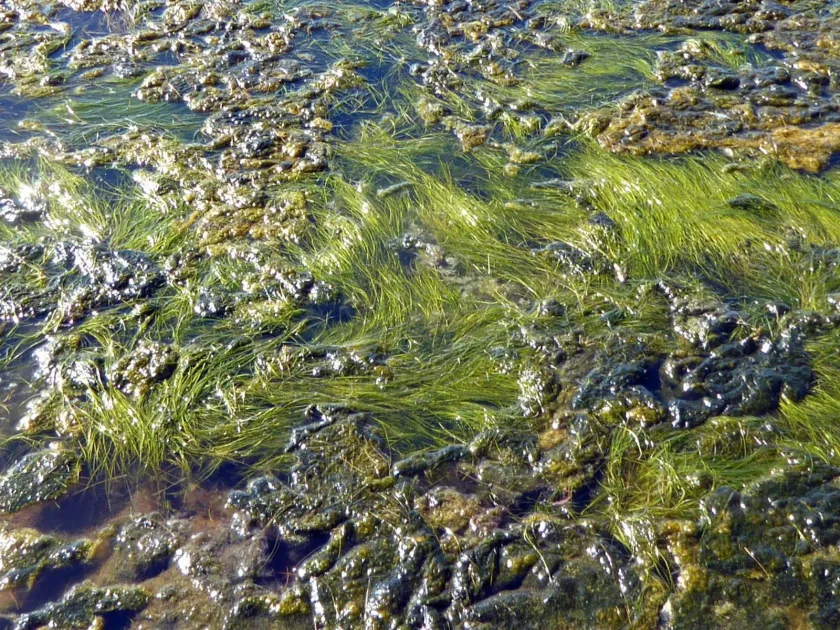
Description
Growing requirements
Ruppia megacarpa is a perennial submerged aquatic plant belonging to the Ruppiaceae family. It is recognized as a hardy hydrophyte that thrives in various saline environments, ranging from brackish estuaries to highly saline inland lakes.
The native distribution of this species is primarily concentrated in the coastal regions of Australia. It has evolved to survive in habitats where water salinity fluctuates significantly due to seasonal rains and evaporation cycles, showcasing remarkable physiological plasticity.
Botanically, Ruppia megacarpa is characterized by its elongated, branching stems and slender leaves. These structures are optimized for gas exchange and nutrient uptake directly from the water column, making the plant an efficient biological accumulator.
Regarding climate and soil requirements, the species necessitates high levels of photosynthetically active radiation to thrive. While it does not require fertile soil in the traditional sense, the presence of fine sandy or silty substrate is essential for anchoring the plants against currents.
In terms of agricultural and ecological application, Ruppia megacarpa is highly valued for its role in maintaining water quality. It acts as a natural purifier in integrated multi-trophic aquaculture (IMTA) systems, reducing nutrient loads and preventing eutrophication.
Main diseases and pests
The primary threats to Ruppia megacarpa populations include excessive nitrogen and phosphorus runoff from nearby agricultural activities. This causes bloom-forming algae to outcompete the seagrass for light and oxygen.
Pathogenic threats include various fungal infections that attack the plant's vascular tissue during periods of thermal stress. If water temperatures remain high for extended periods, the plant's metabolic defenses are weakened, increasing its susceptibility to decay.
Pests such as certain gastropods and crustacean grazers can inflict significant damage. In some ecosystems, overgrazing by these invertebrates, combined with poor water quality, can lead to the rapid decline of Ruppia meadows.
Coastal development projects represent a severe threat to the physical stability of the habitat. Disturbance of the substrate releases trapped organic matter, which increases turbidity and hinders the plant's ability to conduct photosynthesis.
Lastly, climate change, specifically the rise in ocean acidity and increasing sea levels, alters the salinity balance of the estuaries where Ruppia megacarpa grows, creating unfavorable conditions for its reproductive cycles.