
Ruppia drepanensis
Ruppia drepanensis
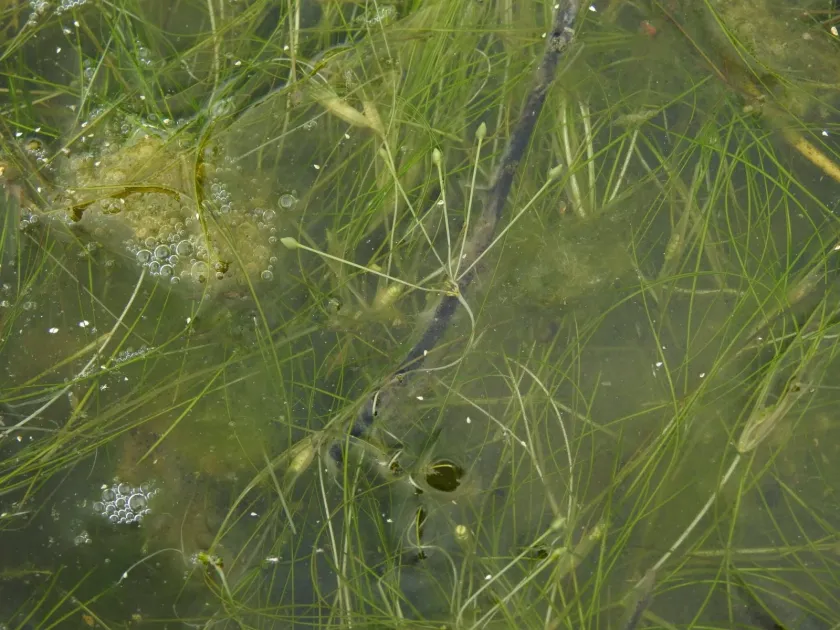
Description
Growing requirements
Ruppia drepanensis is an aquatic perennial plant belonging to the Ruppiaceae family. It is distinct for its ability to thrive in highly saline environments, such as coastal lagoons, salt marshes, and inland saline lakes where many other agricultural crops cannot survive.
The botanical structure of the plant features slender, elongated stems and thread-like leaves, providing a high surface area for nutrient absorption directly from the water column. This structural adaptation allows the plant to flourish in brackish to hypersaline aquatic systems.
Climate requirements for this species are centered on temperate to Mediterranean zones with high solar radiation. Optimal growth occurs when water temperatures remain moderate, preventing thermal stress while ensuring enough energy for consistent vegetative development.
Soil and substrate requirements primarily involve nutrient-rich silty beds that provide anchoring for the root system. While not a conventional terrestrial crop, current agronomic interest focuses on managing these aquatic beds to maintain ecosystem health and support potential commercial harvesting for biomass.
Host use of Ruppia drepanensis is primarily ecological and secondary agricultural. It serves as a vital food source for avian species and fish, and its high mineral content suggests potential utility as a source of biomass for organic compost, particularly in regions where saline soil reclamation is necessary.
Main diseases and pests
The primary threats to Ruppia drepanensis populations are industrial chemical runoff and increased turbidity. Sudden changes in water pH or salinity balance caused by agricultural drainage can also severely damage local plant colonies.
Common pathogens include water-borne fungal infections that proliferate in stagnant, nutrient-overloaded waters. Additionally, grazing by invasive crustacean species can lead to significant biomass loss, weakening the plant's resilience against competitive algae species.