
Rupicapnos africanus
Rupicapnos africanus
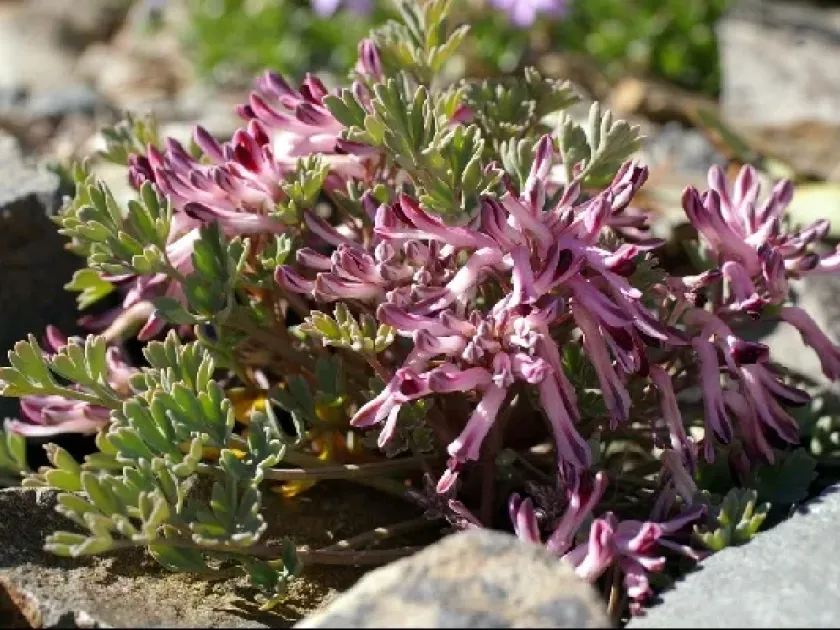
Description
Sowing dates
Rupicapnos africanus is a member of the Papaveraceae family, known for its unique adaptation to rocky and arid environments in its native range.
The sowing process involves direct drilling in early spring, ensuring that the seeds are placed close to the surface to receive adequate light exposure.
Effective germination requires a specific temperature range, typically between 15 and 20 degrees Celsius, which is common during the early growth season.
It is recommended to maintain a consistent spacing between rows to allow for optimal airflow and prevent competition for nutrients among young seedlings.
Preparation of the seedbed should involve minimal soil disturbance to preserve natural soil structure and moisture levels favorable for seedling development.
Growing requirements
The plant thrives in well-drained, sandy or gravelly soils that mimic the rocky habitats of its natural distribution in Africa and the Mediterranean.
Full sun exposure is mandatory for healthy development, as the species is highly sensitive to shade which often results in weak and spindly growth.
Water requirements are relatively low once the plant is established, as it possesses inherent mechanisms to survive periods of intense summer drought.
Soil pH should remain in the neutral to slightly alkaline range to ensure the bioavailability of necessary micronutrients for the plant's metabolic processes.
Proper drainage is the most critical factor for success; waterlogging will almost inevitably lead to root decay and the loss of the crop.
Main diseases and pests
Aphid infestations are the most common biological threat, which can significantly damage the floral buds and reduce the reproductive success of the plant.
Fungal pathogens such as powdery mildew may appear during periods of high humidity, affecting the photosynthetic capacity of the leaves.
Root rot, primarily caused by excessive moisture or compacted soil, remains the most significant physiological threat to the cultivation of this species.
Integrated pest management strategies, focusing on biological controls and proper site selection, are recommended to maintain plant health.
Regular inspection of the foliage is essential to detect early symptoms of disease or pest colonization, allowing for timely and targeted interventions.