
Rukam
Flacourtia rukam Zoll. et Moritzi
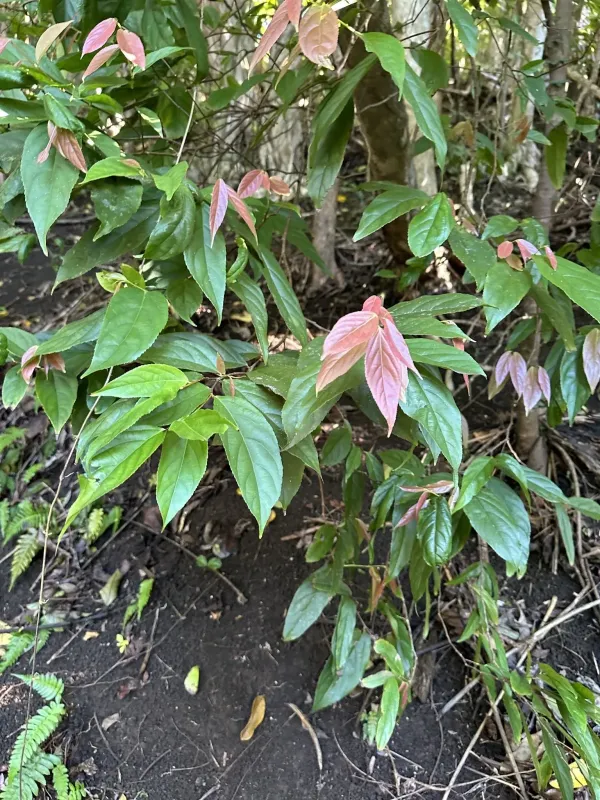
Description
Growing requirements
Rukam (Flacourtia rukam) is a tropical evergreen tree or shrub belonging to the Salicaceae family. Native to Southeast Asia, it is well-adapted to the humid, high-temperature conditions found in tropical rainforest climates.
The tree typically grows in lowland forests, favoring well-drained, nutrient-rich soils. It requires consistent moisture throughout the year, although it displays some tolerance to moderate seasonal fluctuations in precipitation.
In terms of light exposure, Rukam thrives in full sunlight, though juvenile trees benefit from partial shade during their establishment phase. Maintaining adequate spacing is essential to ensure proper air circulation and to minimize the risk of humidity-related pathogens.
Agricultural management includes formative pruning to maintain a manageable tree height and to facilitate fruit harvesting. The presence of spines on the trunk and branches requires careful handling and the use of protective gear during routine maintenance.
The fruit of the Rukam is a small, globular berry, often consumed raw or processed into jams, jellies, and preserved products. It is highly valued in local markets for its pectin content and unique flavor profile.
Yield
The productivity of Flacourtia rukam trees depends on favorable environmental conditions and genetic selection. A mature tree can produce a substantial annual yield when managed with appropriate soil fertilization.
Flowering usually occurs twice annually in equatorial zones, providing two harvest seasons. Yield optimization is achieved through balanced nutrient management, specifically ensuring sufficient potassium levels during the fruit set period.
Regular thinning of the canopy is recommended to allow sunlight penetration, which directly correlates with the quantity and sugar content of the harvested fruits.
Harvesting is performed manually by picking individual fruits at their peak color maturity. Due to the tree's thorny nature, specialized harvesting tools or protective equipment are recommended to improve efficiency and worker safety.
Post-harvest handling is critical, as the berries are relatively perishable. Proper storage in cool, ventilated conditions is necessary to maintain quality for local distribution.
Main diseases and pests
Pathogenic fungi are a significant threat to Rukam, particularly in areas with stagnant air and high humidity. Anthracnose and various leaf spot diseases are common, necessitating preventive fungicide applications.
Pest management focuses on controlling sucking insects, such as scale insects and mealybugs, which can cause stunted growth and reduced vigor. Integrated Pest Management (IPM) is the preferred approach for sustainable orchards.
Root rot is a major risk associated with poor soil drainage. Ensuring that the site is not prone to waterlogging is the primary defense against soil-borne pathogens that compromise the tree's structural integrity.
Birds and rodents may occasionally feed on the fruits before harvest, leading to significant crop losses in unprotected orchards. Protective netting is often utilized to mitigate these risks in commercial plantations.
Maintaining high hygiene standards in the orchard, such as removing fallen leaves and pruning debris, is essential to reduce the inoculum levels of disease-causing organisms.