
Rugoloa polygonata
Rugoloa polygonata
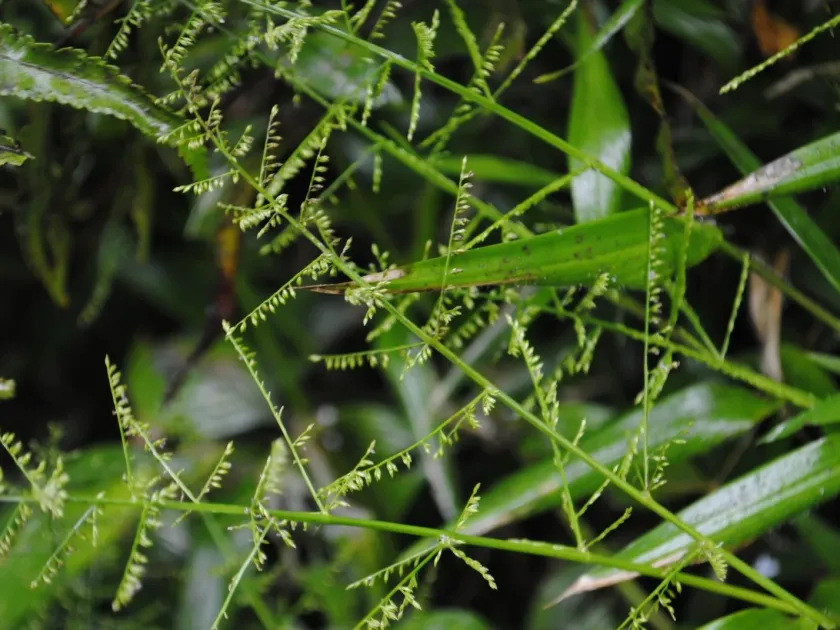
Description
Growing requirements
Rugoloa polygonata is a perennial grass species belonging to the Poaceae family. Recognized for its robustness, this plant serves as a significant component in the agricultural landscape, particularly in regions where reliable forage production is required.
Originating from the tropical zones of the Americas, this species has successfully adapted to a variety of environments. It performs best in fertile, well-drained soils, though it demonstrates remarkable tolerance to different soil types and varying levels of fertility.
Climate requirements include a preference for warm temperatures and consistent access to sunlight. The plant thrives in environments that provide sufficient light to facilitate the rapid accumulation of biomass, which is essential for successful forage development.
Moisture availability is crucial for optimal growth, although the plant shows a reasonable degree of resilience during dry spells. Proper water management, including adequate drainage to prevent saturation during rainy periods, is key to maintaining a healthy stand.
Cultural practices should focus on maintaining soil nutrient balance, particularly nitrogen levels, to support sustained growth. Regular monitoring of the stand density ensures that the crop maintains its competitive advantage over undesirable vegetation.
Yield
The primary agricultural use of Rugoloa polygonata is for livestock grazing and hay production. Its palatability and nutritional profile make it a highly favored option among cattle producers who prioritize efficient animal performance.
The yield potential is characterized by strong regrowth capabilities after harvesting. By implementing rotational grazing strategies or scheduled mowing, producers can maximize the annual yield and ensure a steady supply of high-quality forage throughout the season.
As a source of dried fodder, the crop provides stable nutrient density if harvested at the correct phenological stage. Early harvesting, just before the lignification of stems, ensures the best balance between dry matter intake and digestibility for livestock.
In addition to its role as a crop, the plant acts as a soil cover, protecting against erosion. The extensive root system creates a stable matrix in the soil, which helps preserve topography and improves water infiltration rates in pastures.
With correct management, the crop maintains high productivity over many years. Periodic overseeding and balanced fertilization are recommended to extend the longevity of the stand and maintain peak biomass output for the agricultural operation.
Main diseases and pests
Fungal diseases related to high humidity represent the most significant threat to the crop. Proper spacing and airflow management within the pasture or field are effective preventive measures against leaf spots and mildews that can affect overall vigor.
Insects, particularly those that feed on leaf tissue, can cause localized damage during peak infestation periods. An integrated pest management (IPM) approach is essential to control these threats without compromising the safety and quality of the forage.
Root health is generally robust but can be compromised by stagnant water. Ensuring that the site is well-drained is the most important factor in preventing the development of root-rot pathogens that thrive in waterlogged conditions.
Crop rotation serves as a critical defense strategy against the buildup of specialized pests and soil-borne diseases. Rotating with non-grass species periodically helps sanitize the field and disrupts the life cycle of common agricultural parasites.
The overall risk level for Rugoloa polygonata is considered low when compared to more sensitive cereal crops. Implementing standard agronomic practices and observing field health regularly will mitigate almost all significant threats to crop success.