
Rugoloa pilosa
Rugoloa pilosa
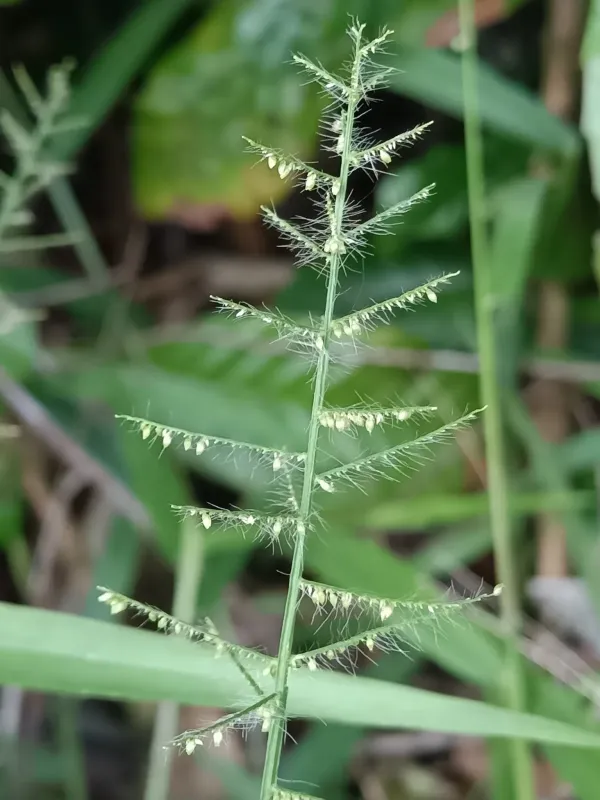
Description
Sowing dates
Rugoloa pilosa is a warm-season grass that requires specific soil temperature conditions for successful germination. Sowing should ideally commence when soil temperatures reach 15°C or higher, typically in late spring, ensuring that the risk of frost has completely passed.
The seeds are relatively small, which necessitates a precise planting depth of approximately 1 to 2 centimeters. Ensuring proper soil-to-seed contact via light rolling after planting is critical to maintain soil moisture around the seeds and promote uniform germination.
Row spacing is typically recommended at 15 to 20 centimeters to optimize resource distribution and facilitate future management. This spacing prevents overcrowding, which can otherwise lead to stunted growth and reduced competitive ability against invasive weeds.
For large-scale cultivation, site preparation should include thorough weed control before planting, as Rugoloa pilosa establishes its root system relatively slowly. A weed-free seedbed significantly improves the initial growth velocity of the seedlings.
In regions with longer growing seasons, supplemental overseeding can be employed to thicken existing pastures. Careful management of sowing density is essential to prevent excessive competition for nutrients between young plants, ensuring robust vegetative development.
Growing requirements
Belonging to the Poaceae family, Rugoloa pilosa thrives in well-lit environments. It requires significant sunlight for optimal photosynthesis and the production of vegetative biomass, making it unsuitable for shaded or heavily wooded areas.
The crop prefers well-drained, fertile soil with a neutral to slightly acidic pH level. It does not tolerate waterlogged conditions, so areas with poor drainage or high water tables should be avoided to prevent root rot and general plant decline.
Climatic conditions should favor long, warm growing seasons with moderate, consistent rainfall. While the species demonstrates moderate drought tolerance once established, consistent irrigation during the peak growing months is vital for maximizing yield potential.
A balanced fertilizer program is essential, with a primary focus on nitrogen to stimulate leaf and stem production. Potassium and phosphorus are also necessary to strengthen the root system and improve the plant's overall resilience against environmental stresses.
Field maintenance should include periodic soil aeration to keep the substrate loose and oxygenated. Good soil structure allows for deep root penetration, which is a key factor in the long-term sustainability of perennial stands of this grass.
Yield
Yield performance of Rugoloa pilosa is largely determined by soil fertility and the frequency of harvesting. With proper management, the crop is capable of producing multiple cuts throughout the season, offering a consistent supply of forage for livestock.
Optimal nutritional quality is achieved when the crop is harvested before the full heading stage. At this point, the ratio of protein to fiber is most balanced, making the forage highly digestible and beneficial for livestock health.
Applying modern agricultural practices, such as fertigation and precise irrigation timing, can boost yields significantly. Frequent, light fertilizer applications after each cut help sustain continuous growth throughout the warm-weather period.
Overgrazing should be strictly avoided to ensure the longevity of the stand. Allowing the plant sufficient recovery time between harvests or grazing periods ensures that energy reserves in the roots are replenished, preventing yield decline over successive years.
Yield statistics demonstrate that Rugoloa pilosa is a reliable forage crop in temperate and tropical zones. Consistent care and adherence to best practices result in high-quality dry matter production that serves as a staple in animal feeding programs.
Main diseases and pests
Fungal diseases, including rusts and powdery mildew, represent the primary biological threat to the crop, particularly under conditions of high humidity. Regular monitoring is necessary to identify early symptoms before they affect large areas of the field.
Disease prevention is most effective through good agronomic practices, such as maintaining proper airflow between plants. Avoiding dense planting patterns reduces the micro-climatic conditions favorable to pathogen development and spread.
Insect pests, such as aphids and various soil-dwelling grubs, can cause significant damage to the plant's vegetative parts and root systems. Integrated pest management strategies, utilizing both biological and chemical controls, are recommended for effective mitigation.
The use of chemical pesticides must strictly adhere to safety regulations, particularly regarding forage crops meant for consumption. Timing applications to minimize the impact on non-target species and pollinators is a key aspect of sustainable grass management.
Regular visual inspections are the cornerstone of a successful threat mitigation strategy. Detecting infestations or disease outbreaks early allows for localized management, preventing the need for broad-spectrum chemical treatments that might disrupt the field's ecology.
Harvesting
Harvesting should be conducted using standard haying equipment, with the blade height set at approximately 5 to 7 centimeters. This height ensures that enough of the crown remains to facilitate rapid regrowth and continuous production throughout the season.
For hay production, rapid drying is critical to preserve the nutritional integrity of the grass. The target moisture content for baling is between 15% and 17%, which ensures long-term storage stability without the development of harmful molds or bacteria.
If producing silage or haylage, the cut material should be chopped and packed tightly in storage units to exclude oxygen. This encourages desirable fermentation processes, resulting in a more palatable and stable feed product for livestock.
Storage areas must be kept cool, dry, and free from pests to prevent the degradation of stored forage. Periodic monitoring of the internal temperature of hay stacks helps identify potential heating issues that could lead to spoilage or fire hazards.
The final harvest of the season should be completed well in advance of the first frost. This final rest period allows the plants to store sufficient energy in their root systems, which is essential for survival during the dormant winter period.