
Ripogonum album
Ripogonum album
Description
Growing requirements
Ripogonum album, commonly known as white supplejack, is a woody vine belonging to the family Ripogonaceae. It is native to the rainforests of Australia, New Zealand, and surrounding islands, where it thrives in the understory of dense forest ecosystems.
The cultivation of this species requires a stable environment with high atmospheric humidity and consistent moisture levels in the substrate. It prefers well-drained, nutrient-rich soils that mimic the forest floor composition, avoiding any form of waterlogging that could cause root rot.
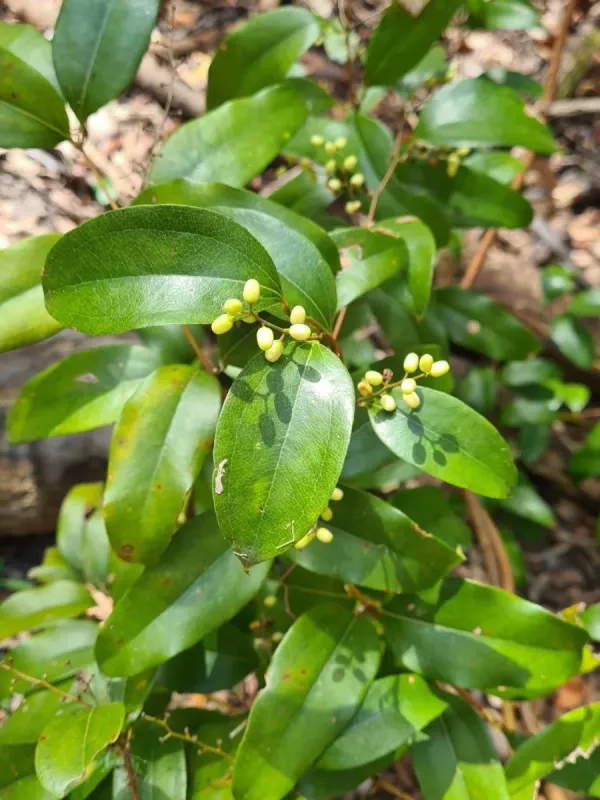
Botanically, the plant is characterized by its long, climbing stems that rely on architectural support to reach sunlight. The leaves are leathery and elliptical, designed to maximize photosynthesis in low-light conditions, which is a key adaptive trait for this species in the wild.
Climate requirements include tropical or subtropical conditions with temperatures ranging from 20 to 25 degrees Celsius throughout the year. The plant is highly sensitive to frost and cold winds, making it unsuitable for outdoor cultivation in temperate zones without climate control.
Agricultural management involves providing robust vertical supports to facilitate the upward growth of the vines. Regular monitoring for soil moisture and the application of balanced liquid fertilizers during the peak growing season are essential for maintaining plant vigor and foliage density.
Harvesting
Ripogonum album is primarily harvested for its durable and flexible stems, which are utilized in artisanal crafts, wickerwork, and structural gardening supports. The material is prized for its resistance to weathering when properly processed and cured after harvesting.
Harvesting techniques involve the selective cutting of mature stems that have reached the desired length and thickness. By practicing sustainable harvesting, where only specific branches are removed, producers ensure the long-term productivity of the individual vine clusters without compromising their health.