
Rhopaloblaste singaporensis
Rhopaloblaste singaporensis
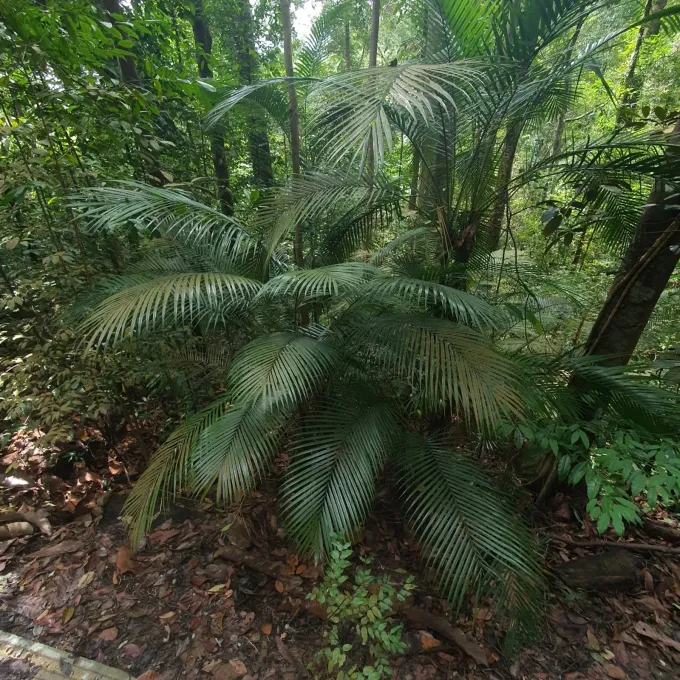
Description
Growing requirements
Rhopaloblaste singaporensis is a distinct species of palm belonging to the Arecaceae family, natively found in the lowland tropical rainforests of the Malay Peninsula and Singapore.
This species thrives in high-humidity environments and requires consistent, warm temperatures throughout the year, as it is highly intolerant of frost or sudden cold snaps.
In cultivation, it demands a well-draining, nutrient-rich soil medium, typically composed of peat, perlite, and organic amendments to maintain optimal moisture levels.
The plant grows best in dappled light conditions; exposure to intense direct sunlight can damage the leaves, especially for younger specimens in greenhouse environments.
Regular fertilization with a balanced, slow-release palm fertilizer is necessary to ensure consistent growth and to maintain the vibrant green color of its foliage.
Main diseases and pests
Root rot remains the most significant threat to Rhopaloblaste singaporensis, typically caused by over-watering or poor soil drainage in container-grown plants.
Common greenhouse pests, including spider mites, scale insects, and mealybugs, frequently infest the palm when air circulation is inadequate and humidity levels are low.
Effective management requires routine inspections of the undersides of the leaves and the implementation of appropriate pest control measures at the first sign of infestation.
Fungal infections can also occur if the crown of the palm remains damp for extended periods, making proper ventilation essential for healthy development.
Maintaining a clean growing environment and providing balanced nutrition are the best defenses against the various biotic stresses that affect this tropical palm.