
Rhopaloblaste augusta
Rhopaloblaste augusta
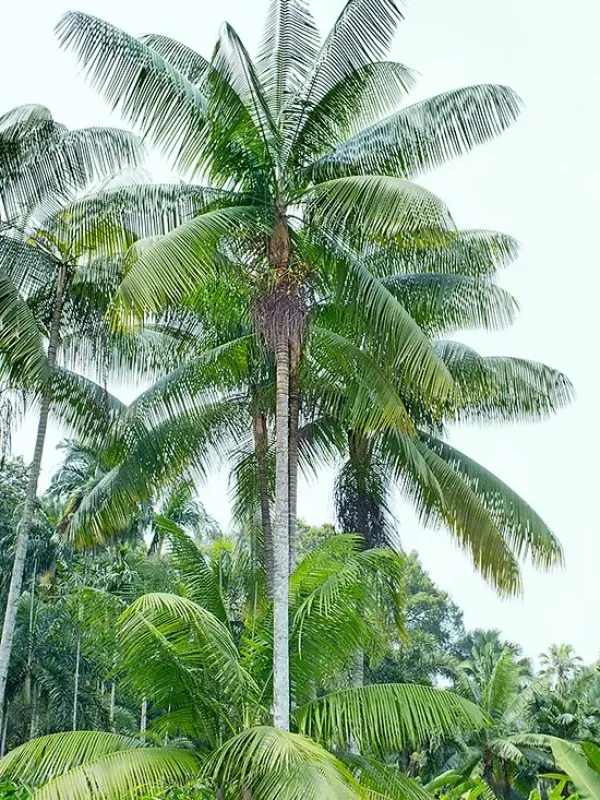
Description
Growing requirements
Rhopaloblaste augusta is a majestic palm species belonging to the Arecaceae family. This plant is indigenous to the tropical rainforests of the Andaman and Nicobar Islands, where it thrives in warm and humid ecological niches.
The cultural requirements for this palm include consistent tropical temperatures, typically ranging from 22°C to 30°C. Any exposure to cold snaps or significant temperature drops can cause irreversible damage to its growing point.
The soil must be rich in organic matter and provide excellent drainage capabilities. Although the species loves moisture, it cannot tolerate waterlogged soils, which lead to rapid root degradation.
Light management is crucial, as the palm prefers filtered light during its juvenile stage and transitions to full sun as it matures. Providing an appropriate environment is essential to maintain the vibrant green color of its foliage.
General agronomic practices involve a consistent fertilization schedule using high-quality palm-specific fertilizers, ensuring a balanced intake of nitrogen, phosphorus, and potassium.
Main diseases and pests
Diseases affecting this species are primarily fungal, often stemming from soil-borne pathogens in overwatered containers or poorly drained plantation soils.
In terms of pests, the most significant threat includes palm weevils and various scale insects that thrive in the dense leaf bases of the palm crown.
Maintaining air circulation is a primary preventive measure against mold and bacterial rot in greenhouse conditions where humidity levels are kept artificially high.
Integrated pest management protocols, including the use of neem oil or specific systemic insecticides, are recommended to maintain the health of the specimens.
Regular inspection of the spear leaf and stem is necessary, as these are the most vulnerable parts of the plant susceptible to mechanical damage and subsequent infection.