
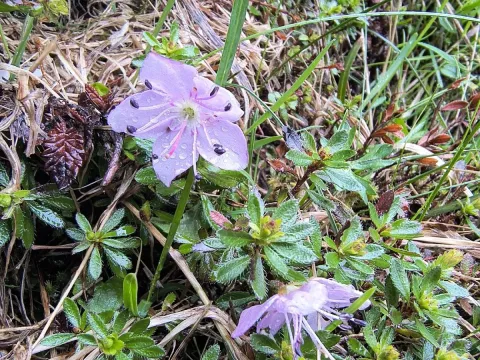
Rhodothamnus
Rhodothamnus
Rhodothamnus is a genus of small, evergreen shrubs belonging to the Ericaceae family. It is represented by the notable species Rhodothamnus chamaecistus, which is highly regarded for its adaptation to rugged alpine environments.
What the section contains

Rhodothamnus
The plant originates from the Eastern Alps, where it thrives on rocky, limestone-rich slopes. Its biological structure is adapted to high-altitude climates, characterized by short growing seasons and cold winters.
Cultivation requires specific soil conditions, notably a substrate that is well-drained and alkaline. Unlike many other Ericaceae members, Rhodothamnus performs best in soils containing limestone, making it a specialized choice for rock gardens.
Regarding climate, the plant prefers cool, humid air and consistent moisture levels. It does not tolerate prolonged drought or extreme heat, necessitating a location that provides protection from the intense afternoon sun.
The aesthetic value of the shrub lies in its dense, saucer-shaped flowers, which typically appear in late spring. These blooms are a staple in alpine rockeries, providing a vibrant pink display against the dark green, leathery foliage.
Root rot is the most common threat to the health of Rhodothamnus. It is primarily caused by poor soil drainage and waterlogging, which often leads to the rapid decline of the entire plant structure.
Pest management is essential, with spider mites being the primary concern during dry, warm spells. Regular misting and proper garden sanitation are effective strategies to prevent mite infestations from becoming established.
Fungal pathogens such as powdery mildew can affect the leaves during periods of poor air circulation. Improving spacing between plants and ensuring a breeze passes through the garden can significantly reduce this risk.
Nutritional imbalances, particularly iron deficiency, can manifest as interveinal chlorosis. Regular soil testing is recommended to ensure that the mineral content remains optimal for this specific calcicole species.
Frost heaving can expose delicate roots during early spring thaws. Applying a light mulch of grit or stone chips helps to anchor the roots and protects the soil moisture balance throughout the changing seasons.