
Rhodothamnus chamaecistus
Rhodothamnus chamaecistus
Description
Growing requirements
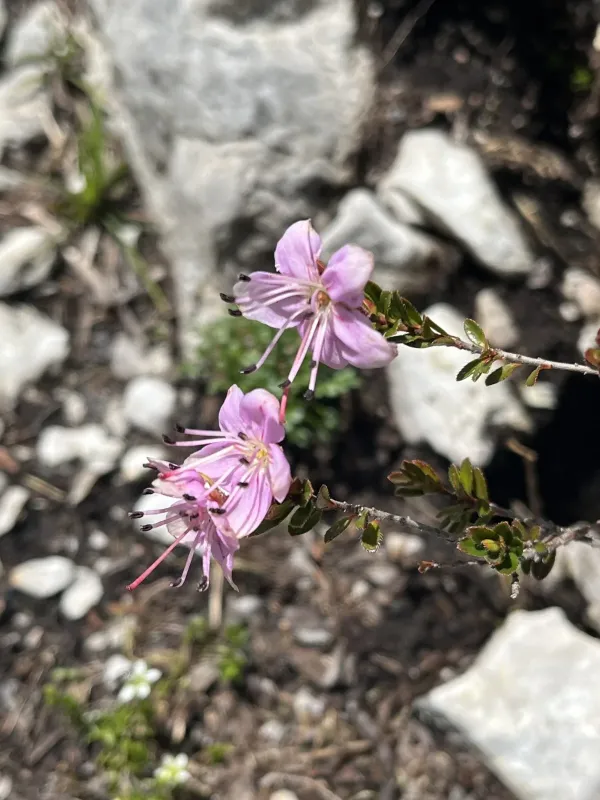
Rhodothamnus chamaecistus is a low-growing evergreen shrub belonging to the Ericaceae family. Native to the limestone Alps, this alpine plant typically grows in rocky crevices and slopes, demonstrating high adaptation to harsh mountain climates.
Botanically, the plant is characterized by its compact, cushion-like growth form and small, leathery leaves. It grows very slowly, making it a rare and highly sought-after species for specialized alpine gardens and rockeries where its beauty can be showcased.
The cultural requirements demand cool ambient temperatures and high atmospheric humidity. Unlike many other members of the heath family, this species thrives in soil with a neutral to slightly alkaline pH, making limestone grit a beneficial component of the growing medium.
Drainage is the most critical aspect of its agrotechnology. The root system is extremely sensitive to waterlogging, necessitating the use of well-aerated, stony substrates. Gardeners must ensure that moisture moves freely through the soil to prevent decay.
In terms of economic use, the plant is primarily a decorative horticultural subject. It holds significant value in the nursery trade for enthusiasts who specialize in alpine botany, rather than for broad agricultural production purposes.
Main diseases and pests
The primary threats to the health of the plant include root rot caused by stagnant water in the substrate. Maintaining a porous, fast-draining soil structure is the best preventative measure against this common fungal infection.
Spider mites represent the most significant pest risk, especially during periods of low humidity and high heat. Regular monitoring of the foliage and misting can mitigate the risk of infestation by these destructive arachnids.
Fungal leaf spots can occur when air circulation around the plant is insufficient. Proper spacing in the rock garden and ensuring the foliage dries quickly after rain are essential strategies for maintaining plant vigor.
Nutrient toxicity, particularly from excessive fertilization, often manifests as leaf browning or chlorosis. Since it is an alpine plant, it is adapted to nutrient-poor soils and should be fertilized with great caution, if at all.
Winter damage is a concern in climates prone to temperature fluctuations without snow cover. Providing light protection, such as pine branches, ensures that the sensitive flower buds remain protected until the onset of spring.