
Rhodoleia forrestii
Rhodoleia forrestii
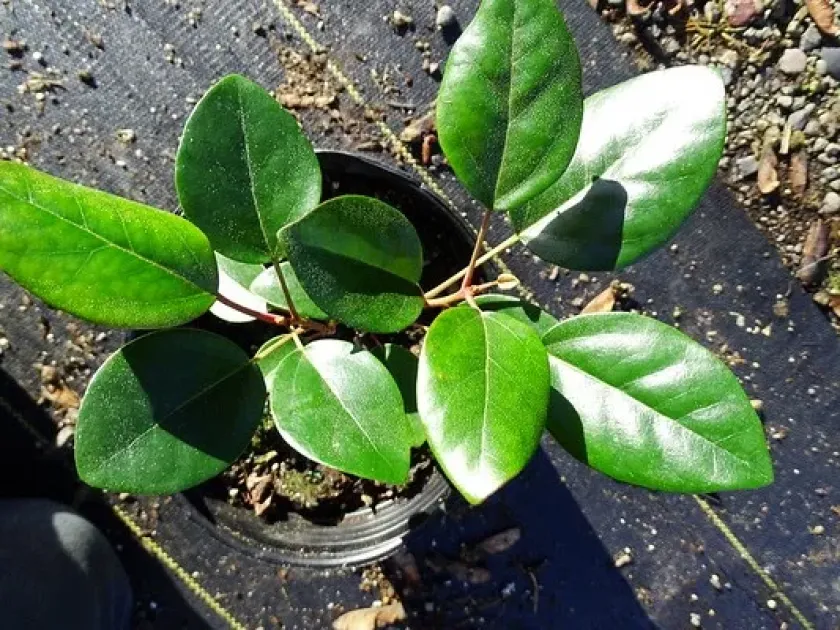
Description
Growing requirements
Rhodoleia forrestii is a stunning evergreen tree species belonging to the Hamamelidaceae family. It is highly valued for its elegant, glossy foliage and its striking, bright rose-red flowers that appear in dense clusters, resembling those of a camellia.
Native to the high-altitude forests of Southwestern China, specifically Yunnan province, this plant thrives in moist, sheltered environments. It is adapted to life in cool, humid forest edges where it receives filtered light rather than direct, harsh sunlight.
When cultivating Rhodoleia, it is essential to provide well-drained, acidic to neutral soil rich in organic matter. A key agricultural requirement is ensuring a loose, nutrient-dense growing medium that allows for adequate root respiration while maintaining consistent moisture levels.
The climate requirements for this species are specific, as it prefers a mild, subtropical climate with high atmospheric humidity. Extreme frost or prolonged drought can severely stunt growth, making it suitable for protected gardens or climate-controlled glasshouses in colder regions.
In terms of хозяйственное usage, Rhodoleia forrestii is almost exclusively grown as an ornamental specimen. It is a popular choice for high-end landscape design in suitable climates, serving as a focal point or a feature plant in botanical collections and private gardens.
Main diseases and pests
The primary threats to the vitality of the plant include root rot caused by poor soil drainage and waterlogging. Providing a thick layer of drainage material during planting is the most effective way to prevent these fungal-related issues.
Common pests include spider mites and aphids, which are particularly active in warm, dry conditions. To mitigate these threats, it is advised to monitor the foliage frequently and utilize appropriate integrated pest management practices if symptoms of infestation occur.