
Rhodohypoxis baurii
Rhodohypoxis baurii (Baker) Nel
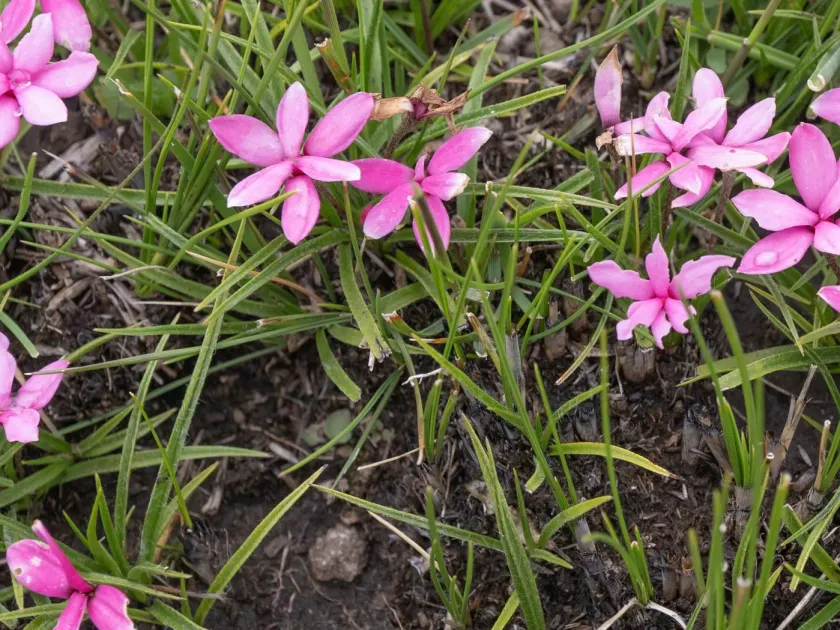
Description
Growing requirements
Rhodohypoxis baurii is an exquisite perennial herbaceous plant belonging to the Hypoxidaceae family. Originating from the mountainous regions of South Africa, it has evolved to thrive in high-altitude grasslands where moisture is consistent during the growing season.
The plant features small, grass-like leaves and delicate star-shaped flowers that appear in various shades ranging from pure white to deep crimson. Its compact stature makes it an ideal choice for gardeners looking for low-growing, showy specimens.
Cultivation requirements focus on well-draining soil, as the plant is highly susceptible to bulb rot in waterlogged conditions. Adding grit or coarse sand to the planting medium is essential to ensure moisture moves away from the corm, especially during dormancy.
Regarding climate, Rhodohypoxis baurii favors cool, moist summers and must be protected from extreme frost in colder regions. Many growers prefer container gardening, which allows the corms to be moved to a dry, frost-free shelter during the winter months.
In terms of economic and horticultural use, this species is highly valued in rock gardens, troughs, and alpine house collections. Its long flowering period and aesthetic appeal make it a specialty item for nursery production and high-end landscaping projects.
Main diseases and pests
The primary threats to Rhodohypoxis baurii are fungal pathogens, specifically those causing root and bulb rot. Maintaining optimal soil drainage and avoiding overhead watering during cool periods are the best strategies to prevent these infections.
Pests such as slugs and snails are significant threats, often targeting the succulent foliage and flower buds shortly after they emerge. Using organic repellents or specialized baits around the perimeter of the planting area is highly recommended to mitigate damage.