
Rhaphiolepis hookeriana
Rhaphiolepis hookeriana
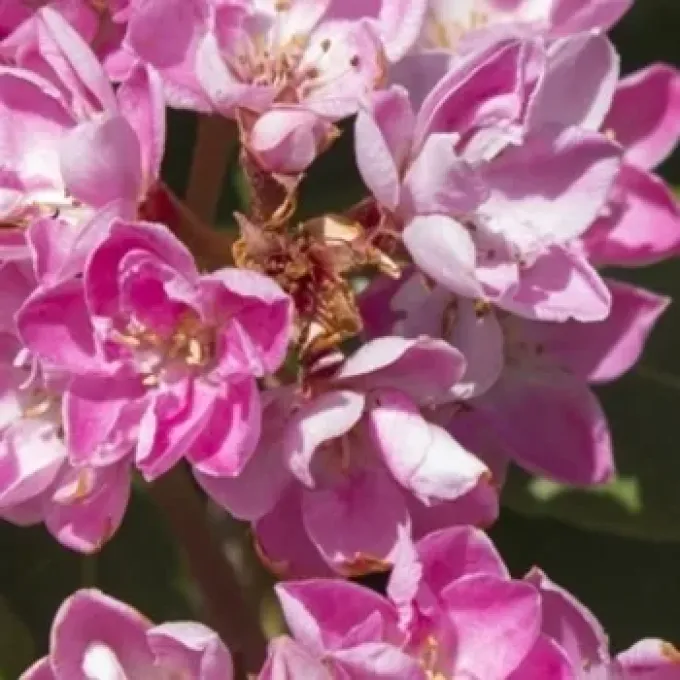
Description
Growing requirements
Rhaphiolepis hookeriana is an evergreen shrub belonging to the Rosaceae family. Native to the mountainous regions of Southeast Asia, this species has adapted to subtropical conditions, favoring mild winters and consistent environmental humidity.
The plant requires well-drained, porous soil that is slightly acidic to neutral. High-quality drainage is essential for this species, as stagnant water around the root system frequently leads to root rot and irreversible damage to the plant's vascular system.
Regarding climate, the plant thrives in locations with plenty of sunlight. While it can tolerate partial shade, full sun exposure is preferred for maximum flowering density, provided the substrate moisture is monitored during the peak of summer.
Cultural practices include periodic pruning to maintain the desired shape and promote bushy growth. Because of its limited cold hardiness, cultivators in cooler climates often utilize this plant in portable containers, allowing for easy relocation during harsh winter months.
In landscape architecture, this shrub is utilized for its ornamental value. Its deep green, leathery leaves and delicate inflorescences make it a popular choice for hedges, borders, and as a focal point in managed garden environments.
Main diseases and pests
Fungal leaf spot diseases are among the most prevalent threats to this species, particularly when planted in environments with poor air circulation or excessive rainfall that keeps the foliage constantly moist.
Pests such as scale insects and spider mites can infest the leaves and stems. Regular monitoring of the underside of the foliage is highly recommended to identify and treat infestations before they impact the plant's overall health.
Root rot, often caused by waterlogging or pathogens like Phytophthora, is a significant threat to Rhaphiolepis health. Ensuring a sandy or loamy soil texture and adequate site drainage remains the best preventative measure.
Iron chlorosis is frequently observed in soils with an incorrect pH balance. This condition prevents the plant from absorbing necessary micronutrients, resulting in yellowish foliage and stunted growth patterns.
Powdery mildew may occur during transitional seasons when cool nights are followed by warm, humid days. Preventive treatments and maintaining adequate spacing between shrubs significantly minimize this risk.