
Rhaphiolepis dubia
Rhaphiolepis dubia
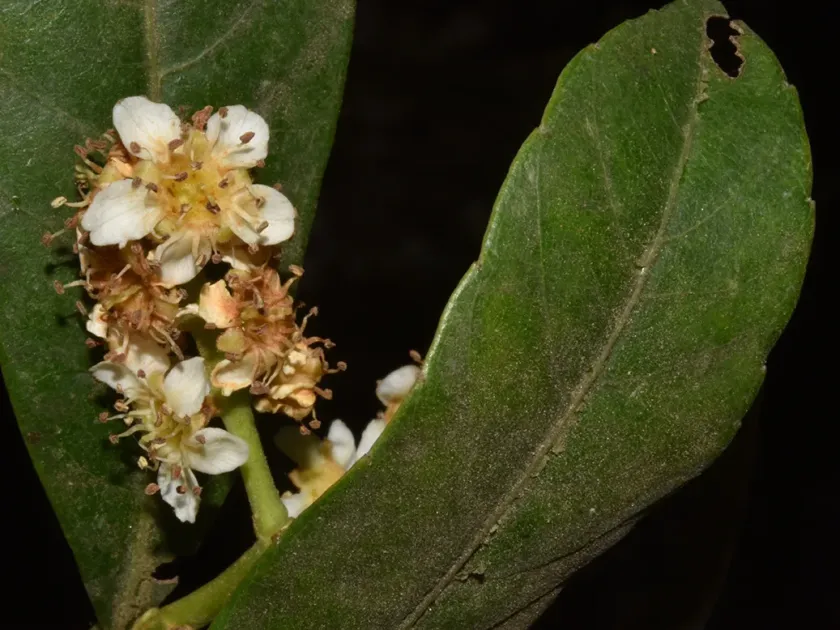
Description
Growing requirements
Rhaphiolepis dubia is a distinct ornamental evergreen shrub belonging to the Rosaceae family. It is widely recognized for its high aesthetic value, dense foliage, and ability to thrive in temperate to subtropical environments, making it a staple in professional landscaping.
Originating from East Asia, this species has adapted to specific climatic conditions characterized by mild winters and consistent moisture levels. When cultivating this plant, it is essential to select locations that provide full sun to partial shade, ensuring the plant receives adequate light for optimal flowering and growth.
Soil requirements for Rhaphiolepis dubia focus on permeability and drainage. The plant prefers slightly acidic to neutral soils that are rich in organic matter but do not retain excessive water. In areas with heavy soil types, creating raised beds or incorporating sand and compost is a recommended practice.
Agronomic management includes a structured irrigation schedule, ensuring moisture reaches the root zone without creating waterlogging. Fertilization is generally performed in early spring using a balanced NPK fertilizer to support foliage development and enhance the plant's natural resistance to environmental stress.
In terms of agricultural and landscape utility, this shrub is highly valued for its low-maintenance profile. It is commonly utilized for hedge formation, foundation plantings, and container gardening. Its natural compact growth habit minimizes the need for extensive pruning, making it an efficient choice for large-scale landscaping projects.
Main diseases and pests
The health of Rhaphiolepis dubia can be compromised by specific fungal diseases if management practices are neglected. Leaf spot is a common concern, often exacerbated by stagnant air and persistent high humidity, which necessitates adequate plant spacing to allow for improved airflow.
Powdery mildew represents another potential threat, particularly in environments with fluctuating humidity levels. Implementing preventative measures, such as avoiding overhead irrigation and applying appropriate fungicide treatments, is essential to maintaining the visual integrity of the plant's foliage.
Insect pests, including aphids and scale insects, frequently target the succulent young shoots of the plant. Monitoring the underside of leaves for early signs of infestation is crucial, as swift intervention with insecticidal soaps or systemic treatments can prevent widespread damage.
Root rot, often a result of improper irrigation techniques or poor soil drainage, can lead to severe plant decline. Mitigating this risk requires strict control over moisture levels and ensuring the root system is not subjected to anaerobic conditions for extended periods.
Effective crop protection involves an integrated approach combining good cultural practices and timely monitoring. By ensuring proper nutrition and minimizing environmental stressors, growers can effectively protect their Rhaphiolepis dubia specimens from the most common horticultural threats.