
Cascara buckthorn
Rhamnus purshiana DC.
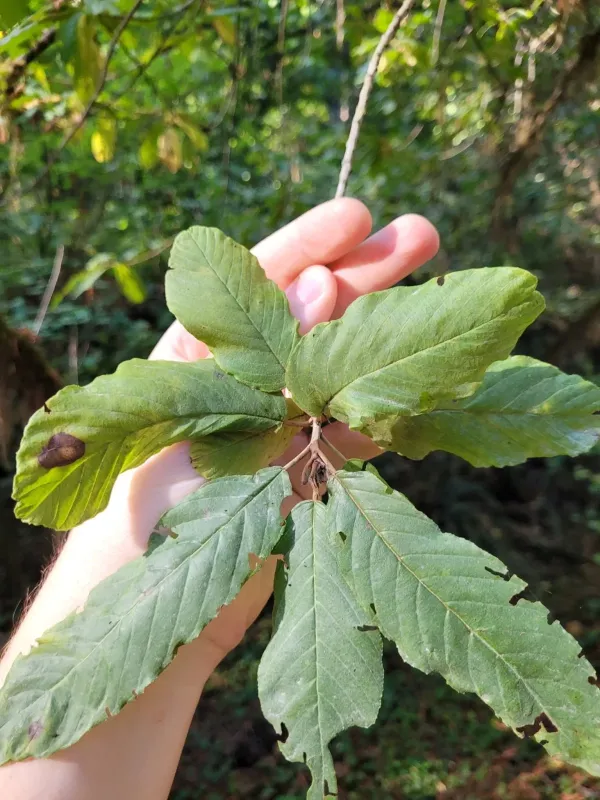
Description
Growing requirements
Cascara buckthorn (Frangula purshiana) is a perennial deciduous tree or shrub belonging to the Rhamnaceae family. It is native to the Pacific Northwest of North America, where it thrives in moist, temperate forest ecosystems.
The species requires deep, moist, and well-drained soils to reach its maximum height of up to 15 meters. It is highly sensitive to soil compaction and drought, making site selection critical for successful cultivation.
Climate-wise, it prefers mild coastal conditions with significant rainfall. While the plant can tolerate shade, full sun or partial shade is recommended for faster development and higher bark accumulation.
Agronomically, propagation is usually done from seeds. Young seedlings require protection from weeds and competing vegetation during the first three years of establishment to ensure healthy root system development.
The chemical composition of the bark, specifically the anthraquinone glycosides, is what makes this plant a vital commercial crop. Proper management of these compounds requires understanding the plant's metabolic cycles through different seasons.
Main diseases and pests
The plant is susceptible to various fungal pathogens, especially in high-density plantations where air circulation is poor. Leaf spot is one of the most common diseases, often aggravated by high humidity.
Pests such as aphids and leaf-eating beetles can cause significant foliage loss if not managed correctly. Integrated pest management strategies are advised to keep populations below economic injury levels.
Root rot, specifically caused by Phytophthora species, can decimate a plantation in areas with poor drainage. Site preparation involving effective drainage systems is the best preventive measure.
Rodents and deer can cause severe damage by stripping the bark of younger trees in the winter. Protective fencing or tree guards are necessary to minimize these losses in young orchards.
Regular sanitation of tools and equipment is mandatory to prevent the spread of viral or bacterial pathogens between trees during pruning and harvesting operations.
Harvesting
Bark harvesting is the primary economic activity for this crop. It is performed in the spring when the bark is supple and can be easily peeled from the stems and branches during the active sap flow.
Raw bark must be aged for at least one year or heat-treated before human consumption. This curing process is essential to reduce the concentration of certain active compounds that cause intense cramping.
Sustainable harvesting techniques include harvesting bark from coppiced trees. By cutting the tree down to the stump, new stems grow, which can then be harvested on a rotational cycle to prevent permanent loss of the plant.
Drying must take place in well-ventilated areas away from direct sunlight. High quality is identified by the characteristic brownish color of the inner surface and a bitter, distinctive taste.
Logistics and storage are crucial; the bark must be stored in dry, moisture-free conditions to prevent fungal growth, which could degrade the pharmacological quality of the product.