
Alder buckthorn
Rhamnus frangula L.
Description
Growing requirements
Alder buckthorn (Frangula alnus) is a deciduous shrub or small tree in the Rhamnaceae family. It is native to much of Europe, parts of Western Asia, and North Africa, typically inhabiting wetlands, fens, and the understory of damp woodlands.
This shrub is highly adaptable to various moisture levels but thrives best in deep, fertile, and slightly acidic soils. It is known for its ability to tolerate partial shade, which makes it an excellent choice for reforestation and ecological restoration projects.
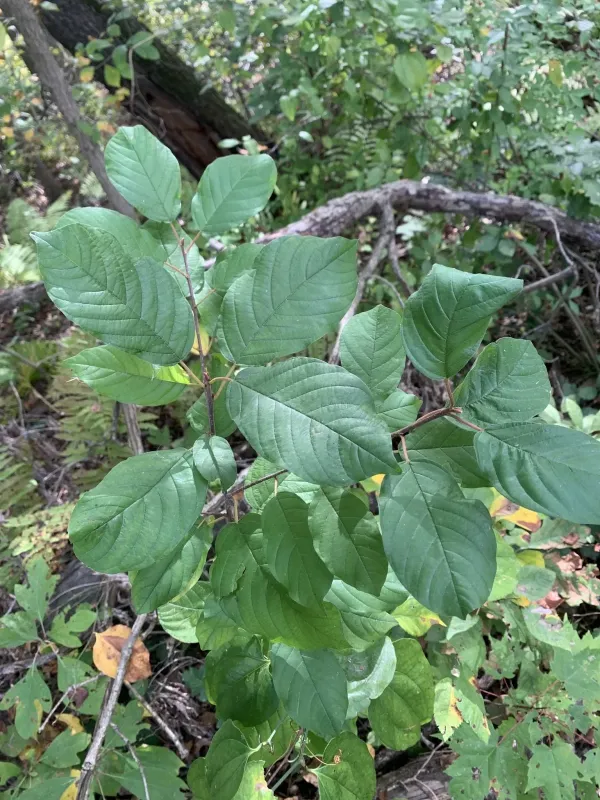
The plant features smooth, dark, purplish-brown bark with horizontal lenticels and glossy, entire leaves. It produces small, hermaphroditic flowers that are pollinated by insects, followed by drupes that change color from green to red and eventually black.
Cultivation requires careful site selection, as the plant needs a consistent moisture supply to maintain its vitality. While it is hardy in many climates, it benefits from protection against extreme winter winds, especially in the early stages of establishment.
In addition to its medicinal value, alder buckthorn is a host plant for the Brimstone butterfly, making it a valuable addition to biodiversity-focused gardens and natural landscapes. It is a slow to moderate grower that requires minimal maintenance once established.
Main diseases and pests
Alder buckthorn acts as an alternate host for crown rust (Puccinia coronata), a fungal pathogen that can severely affect oat crops. Agronomists strongly advise against planting this shrub in proximity to grain fields to avoid outbreaks.
Common pests include aphids and various leaf-feeding larvae, which can cause significant damage to young foliage. Integrated pest management strategies, such as attracting predatory insects, are recommended for organic farming operations.
Fungal leaf spot diseases can occur in areas with poor air circulation or high humidity. Pruning to maintain an open canopy structure is essential to improve airflow and reduce the likelihood of pathogen development during the growing season.
Spider mites may affect the plant during periods of prolonged drought or heat stress. Maintaining soil moisture and applying natural acaricides can help manage populations without damaging the medicinal quality of the bark.
Effective management also involves regular scouting of the plantation to identify early signs of stress or infestation. By addressing these threats promptly, growers can ensure consistent production of high-quality raw materials.
Harvesting
The harvesting of the bark is the primary economic activity associated with this plant. It is conducted during the spring, specifically when the sap begins to rise, as the bark peels away from the wood much more easily during this period.
Harvesters make horizontal and vertical incisions on the branches or stems and peel the bark into strips or channels. It is important to ensure the bark is clean and free from wood fibers, as these do not contain the necessary active compounds.
After collection, the bark must be dried rapidly to prevent fungal contamination. This is usually done in thin layers in shaded, well-ventilated locations or in specialized drying kilns at controlled temperatures.
Freshly harvested bark is considered toxic and can cause significant gastrointestinal irritation. Therefore, the raw material must be stored for at least 12 months or heat-treated to oxidize the compounds, making it safe for medicinal use.
Proper storage is crucial, as the finished product must be kept in cool, dry conditions away from moisture. Once fully processed, the bark retains its therapeutic potency for several years, provided the packaging is sealed properly.