
Rhamnus glandulosa
Rhamnus glandulosa
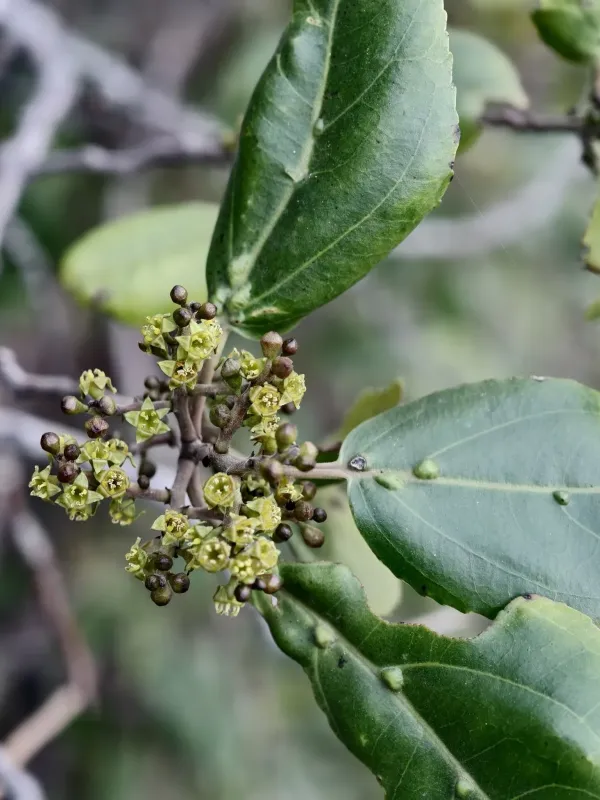
Description
Sowing dates
Rhamnus glandulosa belongs to the Rhamnaceae family. Cultivation often begins with seed propagation, which requires a stratification period of several weeks to overcome dormancy and improve germination rates.
The ideal time for sowing seeds in a nursery or directly into the ground is during late autumn. This allows the natural cold cycle of winter to facilitate the breaking of seed coat dormancy before spring.
Vegetative propagation is achieved through hardwood or softwood cuttings. Hardwood cuttings are best prepared in late winter, while softwood cuttings are rooted during the active growing season under high-humidity conditions.
When planting seedlings in the field, it is crucial to ensure that the root collar is placed at the same level as the soil surface. Proper spacing of 2–3 meters is required to accommodate the shrub's natural lateral growth.
Young plants benefit from a protective layer of mulch around the base, which helps retain soil moisture and suppresses competing weed species during the initial establishment year.
Growing requirements
This species thrives in locations with full sun to partial shade. Exposure to direct sunlight is essential for the healthy development of the canopy and the maturation of fruit, which contains key pharmacological compounds.
Rhamnus glandulosa is adaptable to various soil types but prefers well-drained, fertile loams with a near-neutral pH. It does not tolerate prolonged waterlogging, which can lead to root rot issues.
The plant demonstrates moderate tolerance to drought once fully established. However, during the flowering and fruit-set stages, consistent irrigation is recommended to prevent premature fruit drop.
In regions with harsh winters, selecting a site protected from northern winds helps preserve the integrity of the young shoots and prevents freeze-back of the tips during extreme cold snaps.
Nutrient management involves applying balanced, slow-release fertilizers in the early spring, which promotes robust vegetative growth throughout the primary growing season.
Yield
The primary economic value of Rhamnus glandulosa lies in its pharmaceutical applications. The fruits are harvested for their anthraquinone content, which is used in the synthesis of natural laxative formulations.
Harvesting should occur when the fruits reach full maturity, indicated by a deep, dark color. Manual harvesting is usually preferred due to the thorny nature of the branches, which requires protective equipment.
Beyond pharmacological use, the plant is valued in permaculture and landscape design for its ability to form dense, impenetrable hedges that provide habitats for beneficial local fauna.
The shrub acts as a significant honey plant, providing an early source of nectar for pollinators, which helps strengthen local ecosystem health and supports surrounding fruit production.
Effective orchard management, including thinning the canopy and pruning dead branches, significantly enhances long-term fruit yields and eases the harvest process for agricultural workers.
Main diseases and pests
Common fungal diseases affecting this species include leaf spot and various types of rust. These infections are often correlated with poor air circulation and high-humidity microclimates within the shrubbery.
Insect pests, particularly aphids and spider mites, can cause considerable damage by feeding on succulent leaves. Their presence can severely weaken the plant and reduce overall vigor.
Strategic pruning to maintain an open, airy structure within the plant is the most effective cultural method to reduce the humidity levels that favor fungal pathogens.
Integrated Pest Management (IPM) strategies, including the introduction of natural predators or the use of targeted botanical oils, are recommended for controlling pest outbreaks without harming beneficial insects.
Routine monitoring during the growing season allows for early detection of threats, enabling localized treatments that minimize the need for broad-spectrum chemical interventions.