
Renealmia occidentalis
Renealmia occidentalis
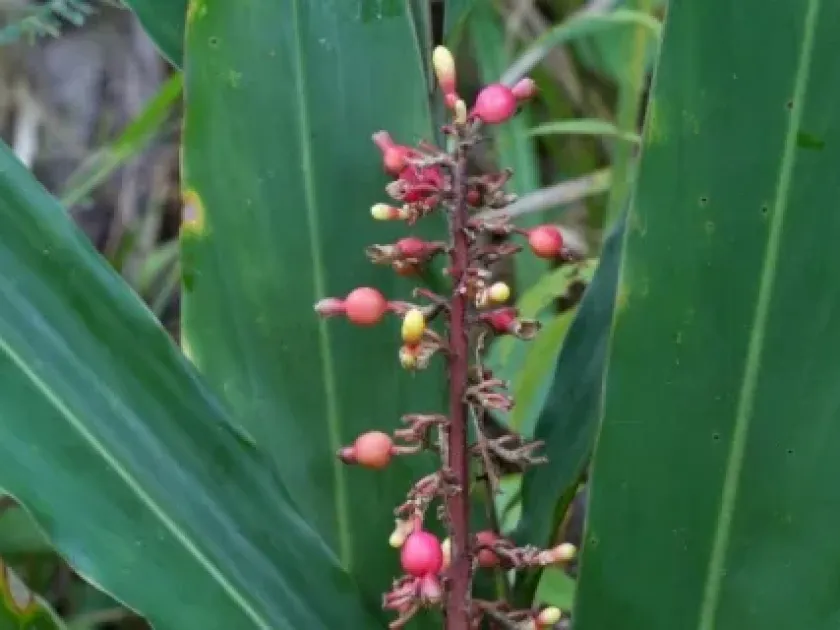
Description
Sowing dates
Renealmia occidentalis is a perennial herbaceous plant belonging to the Zingiberaceae family. In its natural habitat, the plant propagates primarily through seeds and vegetatively through the expansion of its rhizomes.
When cultivated, seeds must be sown immediately after maturation, as they rapidly lose viability. The optimal planting depth is about 1 to 2 centimeters in a loose, well-draining substrate.
Preparing a clean seedbed is essential to prevent competition from weeds during the early establishment phase of the young plants. Planting usually coincides with the start of the wet season.
For vegetative propagation, rhizome segments are planted about 10 centimeters deep, ensuring enough spacing between plants to allow for healthy development of the aerial biomass.
Successful germination requires stable temperatures ranging from 22 to 25 degrees Celsius and consistent soil moisture levels to ensure the rapid growth of primary root systems.
Growing requirements
As a tropical native, Renealmia occidentalis demands high humidity and partial shade. Direct exposure to intense sunlight, especially during midday, can damage the leaves.
The soil must be fertile, rich in organic matter, and possess excellent drainage. While the plant loves water, it is highly sensitive to waterlogging, which causes root rot.
The ideal soil pH is slightly acidic to neutral. High humus content in the topsoil supports vigorous growth and increases the overall resilience of the plant to environmental stress.
The climate must be stable without any risk of frost or extreme temperature drops. Any exposure to temperatures below the comfort threshold can kill the succulent stems of the plant.
Mulching is a highly recommended practice for this crop to maintain the soil microclimate and mimic the natural forest floor conditions found in its native habitat.
Yield
The yield of Renealmia occidentalis is determined by the age of the plantation and the quality of maintenance. Usually, harvesting occurs 2 to 3 years after the initial planting.
Valuable components include the fruits and rhizomes, which are rich in specific secondary metabolites. Consistent application of organic fertilizers is key to maximizing overall yield.
Plant productivity correlates directly with the maintenance of moisture levels and the availability of balanced nitrogen and potassium nutrients throughout the growing season.
The biomass of the leaves and stems can also be harvested for essential oil extraction, providing additional industrial utility for the crop beyond its fruit or rhizome yield.
Regular monitoring of plant health allows for timely adjustments in agronomic practices, ensuring that the crop remains healthy and productive during its lifecycle.
Main diseases and pests
Renealmia occidentalis is naturally resistant to many pests due to the high concentration of terpenoids in its tissues; however, mono-cropping increases the risk of specific infestations.
The primary threats are fungal infections of the root system, often caused by poor drainage and excessive watering. Root rot can quickly destroy an entire plantation if not managed.
Spider mites can occasionally infest the leaves, especially during prolonged dry spells when the plant’s defenses are temporarily weakened by lack of ambient humidity.
Preventative measures include crop rotation and the use of certified healthy planting material. Mechanical removal of infected leaves is a standard procedure to limit disease spread.
Integrated pest management strategies that prioritize biological controls are preferred to avoid chemical contamination of the soil and the delicate plant tissues.
Harvesting
Harvesting fruits is a manual process, as the delicate structure of the fruit clusters requires careful handling to prevent damage and subsequent rotting after harvest.
Rhizomes are carefully excavated after the end of the active growth period, cleaned from soil, and washed thoroughly to remove any surface contaminants before processing.
Initial processing must be completed shortly after harvest. This includes cleaning and washing to ensure that no microorganisms are introduced into the storage environment.
Drying of the rhizomes should be conducted in shaded, well-ventilated areas at low temperatures to prevent the degradation of heat-sensitive bioactive compounds.
After drying, the final product is stored in airtight containers protected from moisture and light, which ensures the stability and quality of the raw material for long-term storage.