
Renealmia jamaicensis
Renealmia jamaicensis
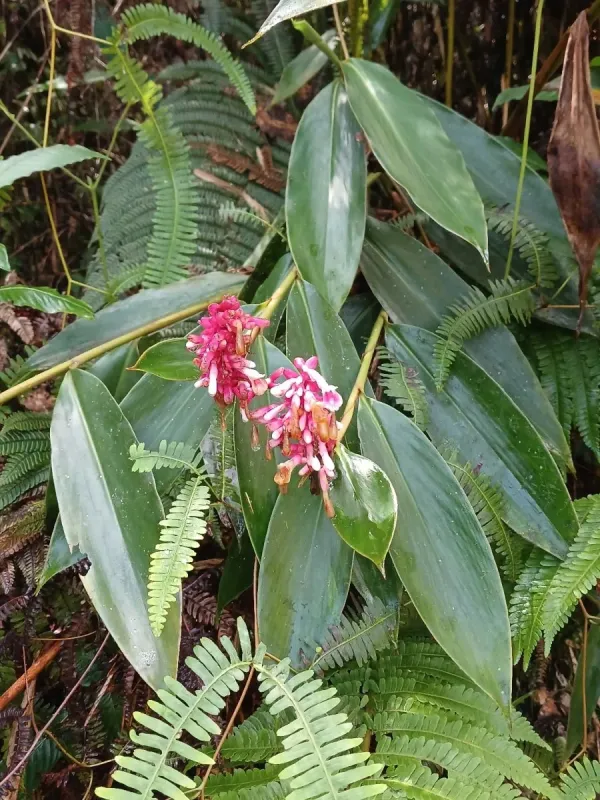
Description
Growing requirements
Renealmia jamaicensis belongs to the Zingiberaceae family and is a perennial herbaceous plant adapted to humid tropical rainforest conditions. In its natural habitat, it thrives in shaded areas with high air humidity and consistently warm temperatures throughout the growing season.
The crop requires fertile, well-drained soils rich in organic matter. An optimal pH level ranging from slightly acidic to neutral is essential to ensure efficient nutrient uptake through the rhizome system.
Proper development requires protection from direct midday sunlight, as its understory origin makes the leaves highly sensitive to scorching. In agricultural practice, it is cultivated in greenhouses or shade-grown agroforestry systems to mimic its natural environment.
Consistent irrigation is a critical factor, as the plant does not tolerate drying out of the root system. Maintaining stable soil moisture without waterlogging is necessary, which requires well-designed drainage systems in pots or nursery beds.
Propagation is primarily performed through vegetative division of the rhizomes. This method preserves the genetic characteristics of the plant and provides higher survival rates compared to seed propagation, which requires strict and controlled germination conditions.
Harvesting
The economic use of Renealmia jamaicensis is traditionally associated with the extraction of essential oils and aromatic compounds found in its leaves and seeds. Harvesting is performed selectively during the phase of maximum concentration of secondary metabolites, identified by the intensity of the plant's scent.
Collection of seed pods takes place after full formation but before natural dehiscence occurs. This practice is vital to prevent crop loss and ensure the highest quality of raw material for use in the perfume and traditional medicinal industries.
Rhizomes are harvested once the plant reaches technical maturity, typically between the third and fourth year after planting. The process requires careful handling to avoid damaging the main storage organs, which are crucial for the subsequent vegetative cycle.
After collection, the plant material must be dried at controlled temperatures away from direct sunlight. This step is critical to prevent the evaporation of volatile terpenes and other biologically active compounds sensitive to thermal stress.
Storage of the finished product is managed in airtight containers kept in cool, dark environments. This approach ensures long-term retention of the product's quality, making it suitable for subsequent processing in the pharmaceutical or food industries.