
Chinese toon
Toona sinensis (A. Juss.) M. Roem.
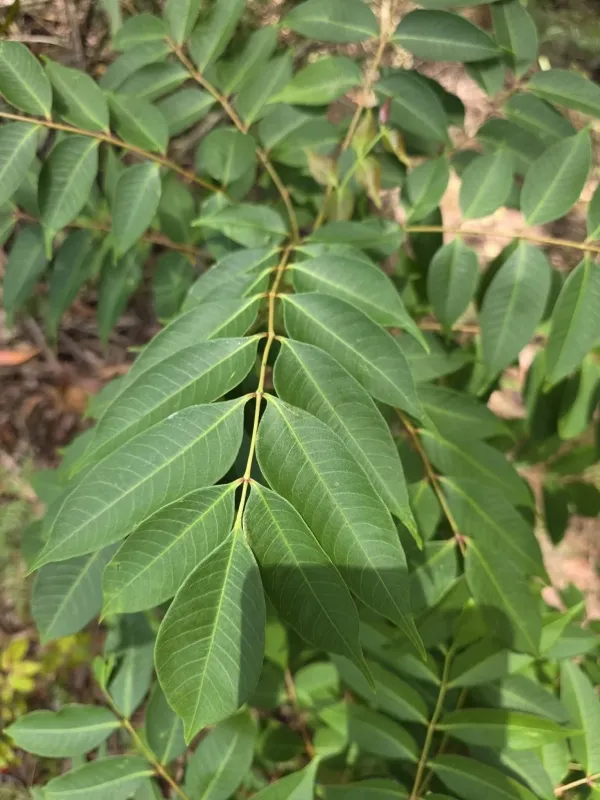
Description
Sowing dates
Propagation of the Chinese toon is primarily achieved through seeds or root suckers. Seeds exhibit low germination rates, so cold stratification for 30 to 60 days at approximately 4°C is highly recommended to break dormancy and ensure success.
Sowing in open ground occurs in early spring once the risk of frost has passed. Seeds should be planted in well-drained, nutrient-rich soil at a depth of about 1 centimeter, maintaining constant moisture until the seedlings emerge.
For vegetative propagation, root suckers are collected during the dormant season. This method is preferred by many growers as it produces plants that reach maturity faster and maintain the genetic characteristics of the parent tree.
When transplanting young trees to the field, maintain a spacing of 2 to 3 meters. This density allows for proper root development and provides sufficient airflow to prevent moisture-related diseases within the canopy.
Early-stage management requires consistent watering to establish the root system. Once established, the plant becomes relatively hardy, though supplemental irrigation remains beneficial during extreme summer dry spells.
Growing requirements
Toona sinensis belongs to the Meliaceae family and thrives in full sun. While it can tolerate partial shade, maximum exposure to sunlight is essential for optimal growth and the development of the aromatic compounds in its leaves.
The species prefers fertile, loamy, and well-drained soils. It is sensitive to waterlogging, which can cause root decay. If planting in heavier soils, adding organic matter or constructing raised beds will significantly improve drainage.
Temperature tolerance is a key feature of this species. While it thrives in temperate to subtropical climates, mature trees can withstand temperatures as low as -15°C, although young specimens require protection during the first few winters.
Soil pH should ideally be neutral or slightly acidic. Regular application of compost or balanced organic fertilizers during the active growing season promotes vigorous shoot development, which is critical for leaf production.
Pruning is an essential aspect of Chinese toon cultivation. Regular topping or pollarding encourages the growth of multiple succulent shoots, preventing the tree from becoming too tall and facilitating easier leaf harvesting.
Yield
The primary harvest consists of young, tender leaves and shoot tips. These are harvested starting from the third or fourth year. The culinary industry values these leaves for their distinct onion-garlic aroma and high antioxidant content.
Continuous harvesting throughout the growing season is possible through constant pruning. Each harvest cycle yields high-quality greens that are considered a luxury vegetable in many East Asian culinary traditions.
Beyond its culinary utility, the Chinese toon is prized for its high-quality timber, often called "Chinese mahogany." The wood is durable, beautiful in grain, and highly resistant to rot, making it a valuable forestry commodity.
Medicinal research indicates that extracts from the leaves and bark have anti-inflammatory and anti-diabetic properties. This is driving a growing demand for the plant as a raw material for the pharmaceutical and supplement industries.
By managing the tree specifically for foliage, growers can maximize output per hectare. The versatility of the crop allows it to be used as both an agroforestry component and an intensive vegetable plantation.
Main diseases and pests
Root rot is the most significant threat to Chinese toon, usually resulting from poor soil drainage or excessive irrigation. Ensuring proper ground preparation and avoiding water accumulation around the trunk is vital.
Pests such as aphids or spider mites may attack the tender new growth during periods of dry, hot weather. Integrated pest management, including biological controls, is highly effective and safer for edible crops.
Occasional fungal issues like leaf spot or powdery mildew can occur if airflow is poor. Keeping the canopy open through regular pruning and removing fallen debris in autumn helps maintain a sanitary environment.
Borer insects can occasionally damage older, stressed trees by tunneling into the wood. Regular inspections of the trunk and branches allow for early intervention through pruning of affected parts before the pest spreads.
Maintaining high overall plant vigor through balanced nutrition is the best defense against pests and diseases. Healthy trees are significantly better at resisting environmental stress and potential pathogens.
Harvesting
Leaf harvesting is a manual process performed in the early morning to ensure maximum freshness and moisture retention. Freshly picked leaves should be processed or cooled immediately to prevent rapid wilting.
After harvest, the leaves are often blanched or stir-fried to enhance their unique flavor profile. Proper handling and cold storage are essential if the product is intended for local markets or restaurant delivery.
When managed for timber, trees are typically harvested during the dormant winter period. This timing ensures the highest quality of the harvested wood and minimal environmental impact on the site.
Grading of the foliage based on maturity is standard practice. Younger, light-colored leaves command premium prices, while more mature foliage might be used for extracts or secondary culinary purposes.
Effective post-harvest management involves keeping the product out of direct sunlight and maintaining a cool, humid environment. This ensures the leaves retain their structural integrity and vibrant aroma during transport.