
Rambutan
Nephelium lappaceum L.
Description
Sowing dates
Rambutan Nephelium lappaceum L. is a member of the Sapindaceae family. It is a tropical evergreen tree that is primarily propagated commercially through vegetative methods like grafting or budding to ensure the uniformity of fruit quality and tree characteristics.
Propagation by seeds is possible but generally discouraged for commercial purposes because of the high genetic variability of the offspring. Seedlings typically take 8 to 10 years to reach maturity, whereas grafted trees can produce fruit within 3 to 4 years after planting.
The ideal time to plant saplings in the orchard is at the onset of the rainy season. This ensures that the young plants have sufficient soil moisture to establish their root systems effectively and survive the initial growth stages.
Preparation of the planting site involves digging large holes enriched with organic matter and high-quality compost. A spacing of 10 by 10 meters is recommended to allow for the wide canopy spread that mature rambutan trees develop over time.
To ensure successful pollination, it is essential to interplant different varieties within the orchard. Cross-pollination between compatible clones significantly increases fruit set and improves overall yield quality across the plantation.
Growing requirements
Rambutan requires a warm, tropical climate with high humidity. Optimal temperatures for the tree range between 22°C and 30°C. It is highly sensitive to cold; temperatures dropping below 10°C can cause significant damage or even kill young trees.
The tree thrives in deep, fertile, and well-drained loam or clay soils. A soil pH range of 5.5 to 6.5 is ideal for nutrient uptake. Waterlogged conditions are detrimental and must be avoided to prevent root diseases.
High relative humidity, ideally between 75% and 85%, is crucial for the development of healthy foliage and fruit. Prolonged dry spells during the flowering stage can lead to flower abortion and a substantial reduction in the total crop yield.
Good drainage is perhaps the most important soil requirement. In areas with high rainfall, creating raised beds or installing underground drainage systems is necessary to prevent water from pooling around the base of the trunk.
While seedlings can tolerate partial shade, mature trees require full sunlight for optimal photosynthesis and fruit production. Adequate exposure to light is also necessary to keep the canopy dense and productive throughout its lifecycle.
Yield
The yield of a rambutan tree is contingent upon its age and the level of management. A healthy, mature tree over 10 years of age can produce between 60 and 150 kilograms of fruit per harvest season under optimal conditions.
Peak production usually occurs when the tree is between 15 and 20 years old. Pruning is a vital management task that involves removing dead wood and thinning the inner branches to allow light and air to penetrate the center of the crown.
Depending on the region, rambutan trees may fruit twice a year. This continuous cycle requires a steady supply of nutrients and water, meaning that fertilization schedules must be adapted to support the tree’s recovery after each harvest.
The fruit is mainly consumed fresh, valued for its sweet, juicy pulp and nutritional content. It is a significant commodity in international trade, though its delicate nature requires careful handling to maintain its value in the marketplace.
Post-harvest storage requires advanced cooling techniques. Because the characteristic hairs on the skin dry out quickly, losing their vibrant color and fresh appearance, temperature control is essential to preserve the product for export.
Main diseases and pests
Common pests include sucking insects such as aphids, mealybugs, and scale insects. These pests feed on the sap of young shoots, leading to stunted growth and providing entry points for secondary viral or fungal infections.
Leaf-eating caterpillars can cause severe damage during the vegetative stage. Regular orchard scouting is necessary to identify infestations early and apply appropriate biological or chemical controls before the damage becomes extensive.
Fungal diseases like anthracnose and powdery mildew are major threats, especially in humid conditions. These diseases often affect both leaves and fruit, causing discolored spots and fruit rot that make the produce unmarketable.
Root rot, often caused by pathogenic soil fungi, is a direct consequence of poor soil drainage. Managing water irrigation and ensuring the soil remains aerated are the primary methods for preventing these soil-borne diseases.
Recommended strategies for integrated pest management include:
- Regular sanitary pruning to improve canopy airflow.
- Using only certified, disease-free nursery stock for planting.
- Keeping orchard floors clean of fallen debris and weeds.
- Using site-specific fertilization to maintain plant vigor.
Harvesting
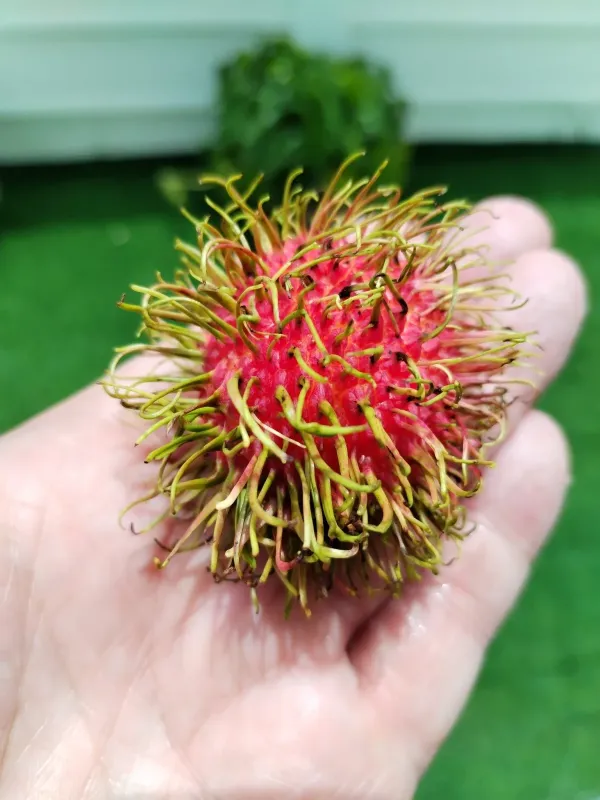
Harvesting is performed manually to ensure that only fully ripened fruit is collected. Ripeness is determined by the skin color, which turns from green to deep red, orange, or yellow depending on the specific variety.
Because rambutan is a non-climacteric fruit, it does not continue to ripen once detached from the branch. Therefore, timing the harvest correctly is essential; fruits picked too early will lack the necessary sugar content and flavor.
Fruits are harvested in bunches, using shears to cut the stalks. This method prevents damage to the fruit's delicate skin and the soft, hair-like protuberances, which are important for both aesthetic quality and shelf life.
Once harvested, the fruit must be sorted and packed quickly. To avoid rapid moisture loss, fruits should be kept in a shaded area and processed as soon as possible after removal from the tree to ensure freshness for the consumer.
Storage at 10°C to 12°C with high relative humidity is ideal. Proper cold chain management is vital for exporting, as it minimizes respiration rates and extends the post-harvest life of the rambutan fruit to approximately two weeks.