
California skeletonplant
Rafinesquia californica
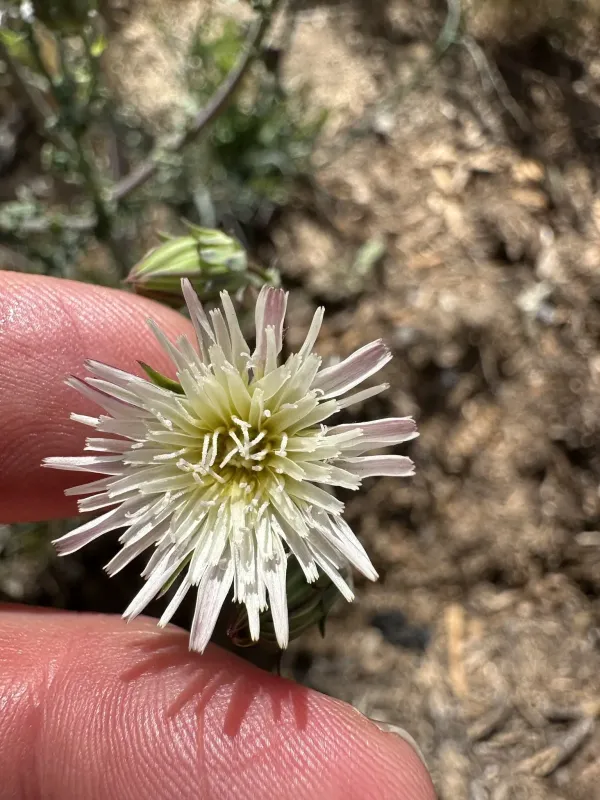
Description
Sowing dates
California skeletonplant (Rafinesquia californica) is an annual herbaceous species belonging to the Asteraceae family. Its natural life cycle is perfectly adapted to the Mediterranean-like climate of its native range in California and Mexico.
For cultivation purposes, seeds should be sown in late autumn to mimic natural winter stratification conditions. Shallow sowing is essential as the seeds require exposure to light to germinate efficiently in field conditions.
The optimal germination temperature ranges between 10 and 15 degrees Celsius. Successful establishment requires consistent moisture during the early seedling stage, which coincides with the onset of the rainy season.
The seeds are equipped with a pappus, a specialized structure that allows for wind-assisted dispersal. During planting, ensure the site is protected from strong gusts to maintain an even distribution of seeds across the field.
Proper soil preparation, including light harrowing to create a fine tilth, increases the contact between seeds and the soil surface. This leads to more uniform germination and stronger initial plant development.
Growing requirements
This plant thrives in well-drained sandy or loamy soils. Waterlogging is detrimental to the species, frequently causing root rot and leading to a significant reduction in plant density and overall yield.
California skeletonplant requires full sun exposure to reach its maximum growth potential. Shaded areas lead to etiolated stems and diminished flowering capacity, which can hinder seed production efforts.
Soil pH levels should be neutral to slightly alkaline for optimal nutrient uptake. The plant is well-adapted to low-nutrient soils and does not require intensive fertilization, which may actually cause physiological stress.
Management of water resources is critical; the plants need sufficient moisture during the vegetative phase but prefer drier conditions as the season progresses toward the reproductive stage and seed maturity.
Given its relatively fragile stem structure, selecting sites with natural wind protection or using protective structures is advisable. Maintaining appropriate plant spacing helps to ensure adequate air circulation around the plants.
Main diseases and pests
Fungal pathogens such as powdery mildew represent the primary disease threat, especially when high humidity is combined with poor airflow. Regular inspection is necessary to detect early symptoms of infection.
Aphids are the most common pests, frequently colonizing the tender parts of the plant, including flower buds and apical meristems. Early intervention with biological control methods is highly recommended.
Root-knot nematodes can become a significant problem in improperly drained soil environments. Infestation often results in stunted growth and a general decline in the vitality of the plant population.
Slugs and snails can cause severe damage during the early germination period. Utilizing physical barriers around newly established patches is a proven method for protecting the vulnerable young seedlings.
Crop rotation protocols should be strictly followed to minimize the buildup of soil-borne pathogens. Avoiding fields previously planted with other Asteraceae species reduces the likelihood of shared disease outbreaks.