
Quiina
Quiina
The genus Quiina comprises several species of trees and shrubs belonging to the Ochnaceae family. These plants are native to the tropical rainforests of Central and South America, where they thrive in warm and humid conditions.
What the section contains
Quiina
The environmental requirements for Quiina are strict, as they are adapted to a climate with consistent high temperatures and significant annual rainfall. They cannot tolerate drought or prolonged exposure to cold temperatures.
In terms of soil, Quiina prefers well-drained, fertile substrates rich in organic matter. They are sensitive to waterlogging and poor soil aeration, which can lead to root system degradation in non-natural settings.
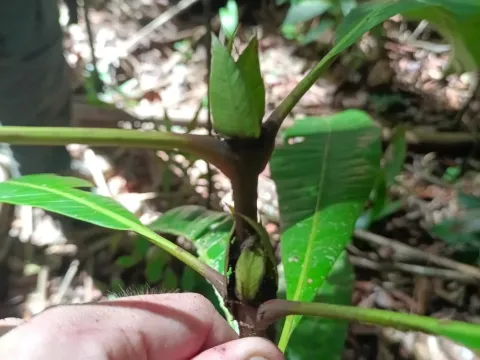
Botanically, plants of this genus are identified by their opposite leaves, often with distinctive stipules, and small flowers typically arranged in clusters. They occupy the understory of tropical forests, making them shade-tolerant.
Cultivation outside their natural habitat is challenging and is generally limited to specialized botanical gardens. They require high levels of atmospheric humidity and stable environmental conditions throughout the year.
Quiina is not a traditional agricultural crop, and therefore, it does not have standard harvest or yield statistics. Its utility is primarily ecological rather than industrial or food-related.
The fruits of the Quiina genus provide essential food resources for a variety of tropical wildlife. By supporting local fauna, the plant plays an important role in maintaining the biodiversity of its native ecosystems.
While the wood of some species may be used by local communities for small-scale craftsmanship, it does not hold significant commercial importance. There is no large-scale cultivation for timber production.
Research into the secondary metabolites produced by Quiina suggests potential pharmaceutical applications. However, these findings remain largely in the laboratory stage and are not yet applied in large-scale agronomy.
Future potential for Quiina lies in its conservation and potential use in ornamental landscape architecture within tropical zones, provided that sustainable propagation methods are developed.
The primary threat to the genus Quiina is the large-scale deforestation occurring in the tropics. Habitat loss represents the most significant challenge to the survival of these species in the wild.
Insects and pathogens that inhabit the same ecosystem serve as natural population regulators. However, the introduction of non-native pests or the alteration of the ecosystem can negatively affect the health of the plants.
Fungal infections can become a threat if plants are kept in environments with poor air circulation or excessive moisture. Maintaining an equilibrium between humidity and ventilation is crucial for plant health.
Climate change poses a long-term risk, as altered precipitation patterns can disrupt the sensitive water balance of rainforest environments. This leads to increased stress on individual trees and reduces their resilience.
Protection efforts must focus on habitat preservation. Only by maintaining the integrity of the rainforest ecosystems can we ensure the survival of the diverse species within the Quiina genus.