
Ware oak
Quercus warei
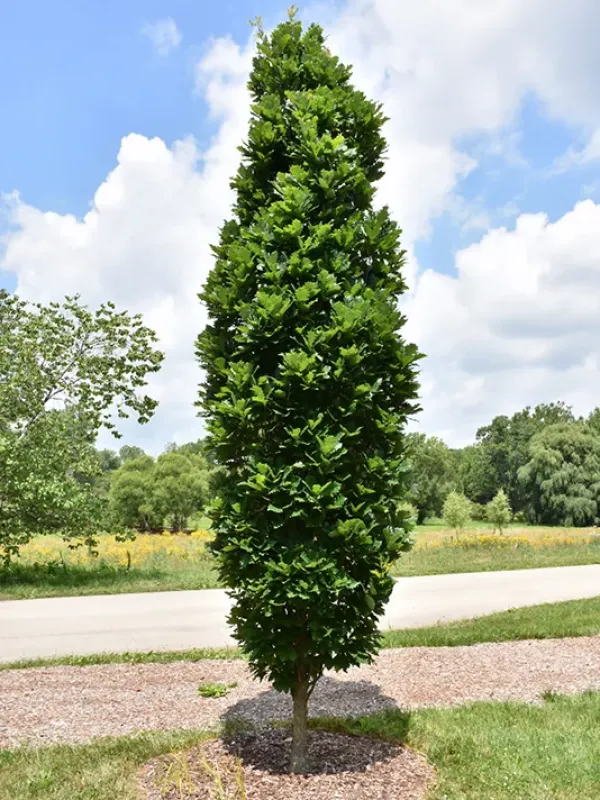
Description
Sowing dates
Ware oak (Quercus warei) is a hybrid species resulting from the cross-breeding of Quercus robur and Quercus bicolor. The cultivation process typically involves sowing seeds in nurseries to produce vigorous saplings suitable for reforestation or landscaping purposes.
The best time for sowing acorns is during the autumn, which allows for natural cold stratification over the winter. If planting saplings with a root ball, the work can be carried out throughout the spring and early summer once the frost risk has passed.
When sowing, acorns should be placed at a depth of approximately 5–8 centimeters to ensure optimal moisture levels and protection from rodents. Adequate spacing, typically 3 to 5 meters depending on the intended density, is crucial for individual tree development.
Initial irrigation is essential for saplings during the first two years after planting. Maintaining consistent soil moisture during the summer months encourages deep root development, which is vital for the tree's future resilience to drought.
Soil preparation should involve deep tillage and the incorporation of organic matter. A well-drained but moisture-retentive soil environment will significantly improve the early growth rates and survival percentage of the seedlings.
Growing requirements
This species is highly valued for its adaptability to diverse soil conditions, ranging from heavy clays to moist alluvial soils. It exhibits a remarkable tolerance to seasonal waterlogging, which often limits the growth of other oak species.
Ware oak thrives in full sun exposure, although it displays moderate shade tolerance during its juvenile phase. A neutral or slightly acidic soil pH is preferred for maximum nutrient uptake and vigorous development.
Hardiness is a key characteristic of Quercus warei, making it suitable for regions experiencing cold winters and significant temperature fluctuations. It is considered a robust choice for temperate climate zones.
Nutrient requirements are generally moderate, though nitrogen-rich fertilizers applied in the spring can accelerate canopy growth during the first few years. Once established, the tree is largely self-sufficient due to its extensive root system.
Maintenance practices include mulching around the base to suppress competitive weeds and maintain soil temperature. Keeping the area free of weeds reduces the stress on the young tree during its establishment period.
Main diseases and pests
Powdery mildew is the most common fungal issue for this species, particularly in environments with poor air circulation and high humidity. Improving spacing between trees can effectively reduce the incidence of this infection.
Insects like leaf rollers and various caterpillars can cause defoliation during the peak growth season. Monitoring for early signs of infestation allows for targeted interventions before significant damage occurs to the foliage.
Root rot, while less common in well-drained soils, can be a factor if standing water persists for extended periods. Proper site selection and land preparation are the best strategies for avoiding long-term pathology issues.
Boring insects typically target trees under physiological stress. Therefore, maintaining tree vitality through proper irrigation and balanced soil nutrients remains the best defense against wood-damaging pests.
Integrated Pest Management (IPM) is recommended to address threats while minimizing the impact on local pollinators and beneficial insects. Proactive health monitoring is the hallmark of a successful forestry or gardening program.